
A 21-year-old Florida woman now faces felony charges after posting that she planned to shoot President Trump with a Glock the night before his Daytona Beach rally.
Quick Take
- Allison Albro, 21, was arrested October 29 after an Instagram post threatened to shoot President Trump at his Daytona Beach rally the next day.
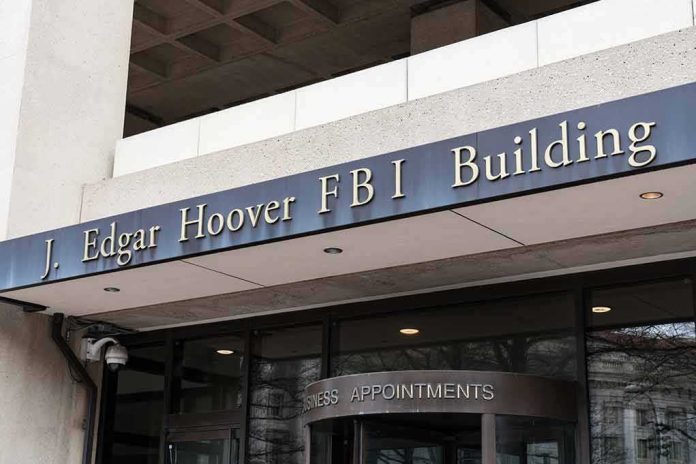
- The Federal Bureau of Investigation (FBI) and the United States Secret Service flagged the post and alerted the Volusia County Sheriff’s Office.
- Deputies found no firearms at her home, and Albro told investigators the post was a joke and she had no access to a gun.
- She faces two felony charges, including making written threats to kill, a second-degree felony.
What The Post Said And When It Appeared
According to the arrest affidavit, Albro wrote on Instagram: “Going to the Trump rally in my city tmr so I can shoot him with my glock! Wish me luck guys!!” She posted it the night before President Trump’s scheduled Daytona Beach rally, naming a specific target, weapon, and event. The statement left little ambiguity about what she claimed she intended to do the following day.
Sheriff Mike Chitwood announced the arrest and shared a copy of the post on the department’s Facebook page. He said threats to assassinate the president would not be tolerated. That kind of public statement from a sitting sheriff carries weight, and it should. Law enforcement has a duty to treat any stated plan to shoot a president as serious until proven otherwise.
How Federal Agents Caught The Threat Before The Rally
The Seattle Times reported that FBI and Secret Service personnel contacted the Volusia County Sheriff’s Office about the written threat, triggering an immediate response. Agents and deputies went to Albro’s home and arrested her on October 29, one day before the president was scheduled to appear. This was not a delayed paperwork process. It was same-day action against a stated threat to the nation’s chief executive.
Court records listed one count of making written threats to kill or do bodily injury, a second-degree felony, and one count of using a two-way communications device to commit a felony, a third-degree felony. These are not vague security charges. They are specific statutes built around the exact conduct described in the post. Federal law separately criminalizes threats against the president and his immediate family, underscoring why agencies treat such posts as urgent regardless of the poster’s later explanation.
What Investigators Found When They Searched Her Home
Deputies searched Albro’s residence and did not find a firearm. Albro reportedly told investigators she did not own a Glock, did not like guns, and was not going to shoot anyone. She also said the post was deleted and was “obviously a joke.” These statements came from her, not from an independent witness, but they are part of the record investigators gathered during the arrest.
No weapons turning up at the scene does not erase the charged conduct. Florida’s written-threats statute targets the threat itself, not whether the person owns a matching weapon. A reasonable person reading “shoot him with my glock” the night before a presidential rally would not assume it was harmless venting, and law enforcement is not required to gamble on that assumption.
Why Social Media Threats Against Presidents Are Hard To Dismiss As Jokes
Legal scholars have long noted that online threat cases turn on the gap between literal wording and proven intent, with courts weighing content, context, and claimed intent together. The Supreme Court’s Counterman v. Colorado decision set recklessness as the minimum mental state needed to strip a statement of First Amendment protection as a true threat. That standard matters here because Albro’s own words, not a third party’s interpretation, form the core of the case.
The Secret Service runs a standing threat-assessment program built specifically to catch statements like this before they turn into action, rather than after. That mission explains the speed of this arrest. Whether or not Albro ever intended to follow through, agencies tasked with protecting the president cannot afford to treat a direct, timed, weapon-specific threat as background noise. Her case now moves to the Volusia County court system, where prosecutors will have to prove the charged intent beyond her own claim that it was a joke.
Sources:
thegatewaypundit.com, yahoo.com, winknews.com, uscode.house.gov, secretservice.gov, pennlawreview.com, elgaronline.com