
Two arrests on a Sea-Tac jetway lit a national fight over law, order, and where immigration enforcement belongs.
Story Snapshot
- Immigration officers arrested a man they say overstayed his visa during a planned operation.
- Agents say a second passenger threw hot coffee and also overstayed a visa.
- Officials condemned masked officers and the jetway tactics; the airport said it had no notice.
- The flight was disrupted as passengers watched the struggle unfold.
What Happened On The Jetway And Why It Escalated
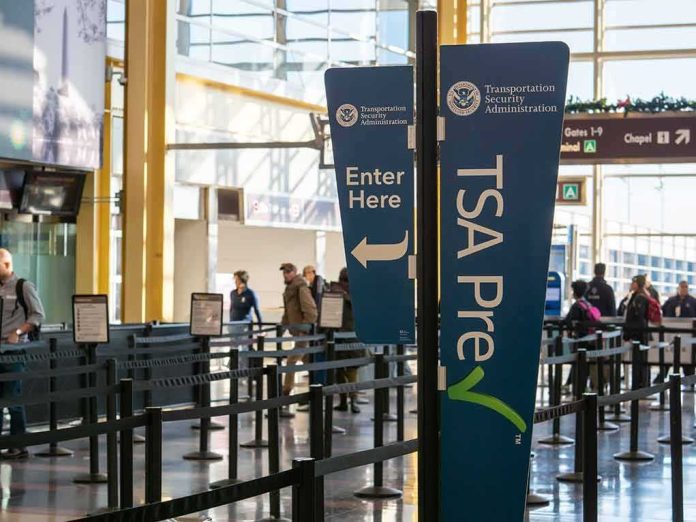
Immigration officers moved onto an Alaska Airlines jetway at Seattle–Tacoma International Airport and arrested Ricardo Larrondo Mendoza during boarding. The agency described the action as a “targeted enforcement operation” and said Mendoza overstayed his visa, which is a civil immigration violation under federal law. Officers said the scene turned chaotic when travelers crowded in and some interfered. The agency said people obstructed and assaulted officers as they carried out the arrest.
Agents then detained a second passenger, Sofia Hernandez Mejia. The agency alleged she hurled hot coffee at officers and also overstayed a visa, exposing her to possible criminal charges for assault on a federal officer and to civil immigration consequences. Video shared online captured a tense struggle but did not, by itself, confirm the coffee claim or show the full lead-up. Reporters noted that some details, like specific warrants or files, were not yet public at the time.
Why This Jetway Became A Flashpoint
Washington leaders blasted the operation within hours. The governor said masked agents dragged passengers off a jetway and called the tactics un-American. Local officials said the video looked horrific and chilling. The Port of Seattle, which runs the airport, said it had no advance notice and launched a review of whether federal agents followed airport protocols. Those reactions shifted the debate from one man’s alleged overstay to broader questions about conduct, planning, and place.
Airports are crowded, confined, and sensitive. Grabbing a person at the narrow mouth of a plane does more than stop a suspect; it grabs everyone’s attention and trust. That is why this setting matters. The agency says the target was specific and the law clear. Critics point to masks, unmarked gear, and the jetway chaos. Both points can be true: an arrest may be lawful and yet handled in a way that alarms the public. The setting multiplied the stakes.
The Claims, The Gaps, And The Standards That Should Decide Them
The agency grounded its actions in two claims: Mendoza overstayed a visa, and Hernandez Mejia assaulted officers with hot coffee and also overstayed. Reporters attributed both claims to the agency and saw consistent language across outlets. Skeptics asked for more: the visa records, any arrest authority paperwork, and complete camera footage. Those items were not in public view in early reports. That does not cancel the claims; it sets the next test of proof for investigators and courts.
🇺🇸 ICE officers arrested Ricardo Larrondo Mendoza, a Mexican national who overstayed his visa, while he was boarding an Alaska Airlines flight at Seattle-Tacoma Airport.
A second passenger, Sofia Hernandez Mejia, also a Mexican visa overstayer, was arrested after allegedly… pic.twitter.com/cRPKfEK1aD
— NewsForce (@Newsforce) November 22, 2026
American conservative values rest on ordered liberty: clear laws, evenhanded enforcement, and accountability when force is used. Visa overstays violate the law. Assaulting an officer, if proven, is a crime. Officers also answer for how they use force and follow rules. The right standard is simple and tough: show the records that justify the arrest, show the video that explains the force, and show the reviews that judge the tactics. Facts, not vibes, should close this case.
What Should Happen Next To Restore Trust
Airport and federal leaders should release the key documents once lawful to do so: the admission and overstay records, the charging paperwork, and any administrative or judicial warrants tied to the operation. Investigators should preserve and review all jetway and gate footage, airline reports, and medical records for everyone involved. If the assault claim holds, prosecute it. If tactics fell short of policy, fix them with training and discipline. Transparency will quiet the noise faster than speeches.
One more step can prevent the next meltdown on a jetway. Agencies should plan arrest windows that reduce risk to bystanders, including gate-area timing, backup staffing, and visible identification. That is not “soft on enforcement.” It is smart policing. When officers act with clear authority, clear badges, and clear plans, most people step back and let them work. Do the job by the book, and let the public see the book.
Sources:
facebook.com, apnews.com, the-independent.com