
Boston’s City Council voted to recognize Thanksgiving Day as a “National Day of Mourning,” locking in a symbolic break from the usual holiday script.
Story Snapshot
- The council adopted a resolution recognizing November 26, 2026, as a National Day of Mourning in Boston.
- The action is ceremonial and does not change the federal holiday of Thanksgiving.
- The move aligns Boston with a protest tradition that began in Plymouth in 1970.
- Councilors advanced the measure on the floor and adopted it by voice vote.
Boston’s Council Puts Mourning On The Calendar
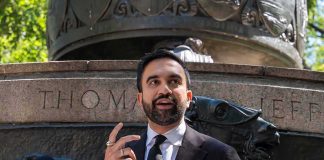
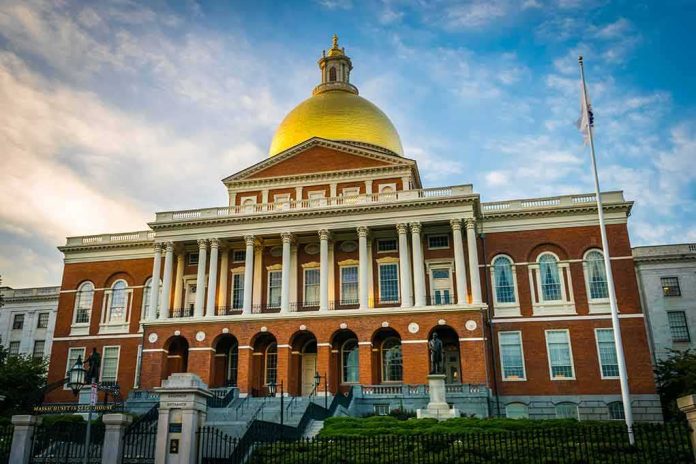
Boston City Council adopted a resolution that recognizes Thanksgiving Day as a National Day of Mourning in the City of Boston. The docket described the specific date, November 26, 2026, and named the observance outright. Councilors advanced the item on the floor and approved it by voice vote. The session record shows Councilors Benjamin Weber and Ruthzee Louijeune led the push, with Councilor Julia Mejia added as an original co-sponsor under the rules. A city agenda entry reflects the item’s passage as a council legislative resolution.
The measure is symbolic. It does not cancel Thanksgiving. It does not alter pay rules, school schedules, or federal status. Symbolic council resolutions mark the calendar and send a message. They do not carry the force of law that binds private life. That distinction matters when people hear “national.” The council cannot set national policy. It can speak for Boston’s values and invite residents to reflect alongside the turkey and the parade.
Why Thanksgiving Shares Space With Mourning
The phrase National Day of Mourning dates back to 1970 in Plymouth, Massachusetts. That year, Aquinnah Wampanoag leader Wamsutta Frank James had a speech pulled from a state event because it criticized the Pilgrim story. Native organizers then gathered on Thanksgiving to mourn the loss of land, lives, and rights. The vigil and march have continued every year since and shaped debate over how the country tells its origin story. Boston’s resolution plugs into that tradition, not a new invention.
The council framed the day to acknowledge harms Native peoples faced through colonization. That framing sits alongside, not against, established Thanksgiving customs. Families can still gather, give thanks, and enjoy a meal. The resolution asks them to add a layer of truth about history. That is a common move in local government. Cities often use symbolic days to question old myths and widen public memory while leaving the legal holiday in place.
How Cities Use Symbolic Days To Shift Memory
Local bodies have used this playbook for years with observances tied to Columbus Day. Dozens of city councils adopted Indigenous Peoples’ Day, either alongside or in place of Columbus Day, through simple resolutions. They did not rewrite federal law. They signaled a choice in values and education. These actions show how civic calendars can change the story people tell their kids without a change in paychecks, mail delivery, or school law. That is the lane Boston used here.
Boston City Council's Thanksgiving message: mourn.
The council adopted a resolution recognizing November 26, which is Thanksgiving Day, as the "National Day of Mourning in the City of Boston." Not one councilor spoke against it.
Councilor Weber: "Passing this resolution each… pic.twitter.com/SdrO7JwwDP
— Townhall.com (@townhallcom) November 25, 2026
Some commentators mocked Boston’s use of the word “national.” The point lands rhetorically but misses the function. The resolution mirrors a named, long-running Indigenous observance that already carries the word “national,” because advocates across the country mark it each year. If the goal is clarity, officials should keep explaining that the term signals scope of the movement, not the legal reach of the council. That plain talk shows respect for residents and for honest debate.
What This Means For Residents This Week
City services still follow the Thanksgiving schedule. Trash pickup shifts as posted. Schools and many offices are closed. Families can mark the holiday as always. Boston also invites reflection on Native history, including the Wampanoag story and the Plymouth protests that gave this day its name. Adding five minutes at the table to teach kids the full picture costs nothing and builds civic literacy that lasts beyond one meal.
Bottom Line
Boston’s council did not cancel Thanksgiving. It joined a five-decade movement that asks people to tell a fuller story on the same day. That is a cultural nudge, not a legal order. If you value gratitude and truth, you can hold both at once. Thank the Lord for blessings. Teach the next generation why some neighbors mourn. A strong country can look back clearly and still sit down to dinner.
Sources:
boston.gov, newenglandsignal.com, bostonpolitics.org, yahoo.com, jonathanturley.org, facinghistory.org