
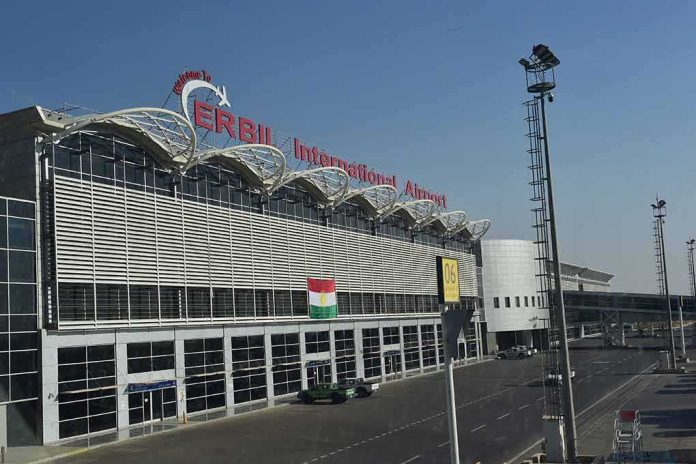
The United States closed the Iraq chapter of Operation Inherent Resolve with the last lift-off from Erbil Air Base, right on schedule.
Story Snapshot
- The Pentagon and Central Command said the mission in Iraq formally ended.
- U.S. and coalition forces and equipment departed Erbil Air Base in an orderly exit.
- The move follows the 2024 U.S.-Iraq timeline to end the coalition mission by September 2026.
- Security now shifts to Iraqi forces, with a bilateral relationship set to follow.
What Ended, When It Ended, and Why It Matters
The Pentagon announced the formal end of Operation Inherent Resolve in Iraq, tying closure to the final departure from Erbil Air Base. Central Command described the exit as an orderly drawdown of troops and equipment. Newsrooms tracking military movements reported the completion on September 30, 2026, aligning with a known handover plan with Baghdad. The military framed the move as the end of the coalition’s Iraq mission that began in 2014 to defeat the Islamic State group’s territorial claims, not a sudden retreat.
The timeline is the quiet headline. In September 2024, Washington and Baghdad agreed to close the coalition mission in Iraq by the end of September 2026. The Erbil departure hit that mark. That schedule gave commanders time to off-ramp units, hand over facilities, and transfer duties to Iraqi security forces. It also gave Iraqi leaders space to show sovereignty without risking a security vacuum. Hitting the date signals a plan kept, not a scramble to the exits.
From Wartime Coalition to Normal Defense Ties
Commanders and diplomats describe the shift as moving from a wartime coalition to a standard, country-to-country defense footing. That means Iraq leads its own security. The United States and partners step back from combat roles and into routine cooperation, such as training, exercises, and intelligence sharing as invited. That model has followed other counterterror campaigns once ground control changed hands. The coalition’s Iraq chapter closes, but the relationship evolves rather than vanishes.
The operational symbol of that shift is Erbil Air Base. For years, it served as a key hub in the north. The final convoys and flights out mark more than logistics. They mark a bet that Iraqi forces, including the Peshmerga in the Kurdistan Region, can manage threats with less foreign military presence on their soil. Pentagon language makes that handoff explicit. It links mission success to Iraqi capability and control, which is the point of any advise-and-assist effort worth the name.
What Success Looks Like, and What It Does Not
Success here is not a banner; it is a consistent, Iraqi-led security picture. The coalition’s job was to help end the Islamic State group’s hold on territory in Iraq. That task, by military measure, is over. Ending the mission does not delete every threat or erase extremist networks. It states that Iraqi forces can handle what remains with typical partner support. That standard matches how the United States has closed other defined missions once partners can carry the load.
"U.S. Central Command (CENTCOM) completed the orderly departure of U.S. forces and equipment from Erbil Air Base, Sept. 30, marking the end of the Operation Inherent Resolve mission in Iraq." https://t.co/fNoVkvpMyn
— Mike Brest (@MikeBrestDC) September 30, 2026
Twelve years is a long arc. The mission started in 2014 when the Islamic State group seized cities and drew borders on maps. It ends in 2026 with Iraqi forces standing as the main counterweight and the coalition’s combat role closed. That is a sober outcome, not triumphalism. It reflects an approach that resonates with conservative common sense: define the mission, build local capacity, keep faith with timelines, and leave the keys with the homeowner. The Erbil exit fits that frame.
Sources:
facebook.com, iranintl.com, einpresswire.com, kurdistan24.net, fox13news.com, intellinews.com