

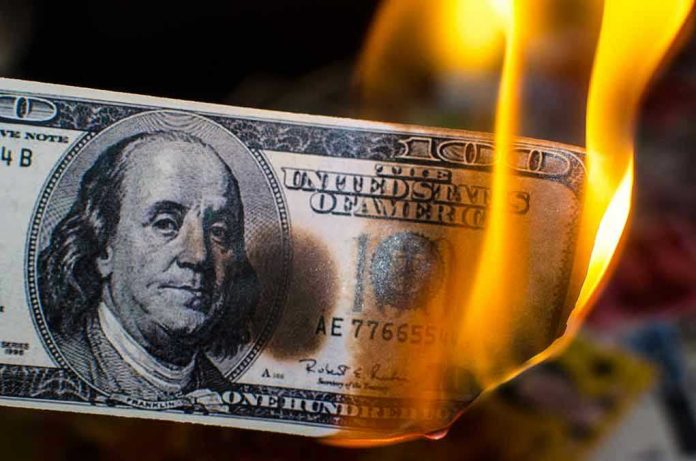
In a dozen high-cost states, earning six figures now barely qualifies you as lower-middle class, exposing how years of failed government policies have crushed the American Dream for hardworking families.
Story Snapshot
- Households earning $100,000-$140,000 now considered lower-middle class in 12 states including California, Massachusetts, New York, and Hawaii
- Bay Area metros require incomes exceeding $99,000 just to enter middle class, with upper threshold reaching nearly $298,000
- California’s statewide middle-class range spans $63,674-$191,042, but metro costs make six-figure earners feel financially squeezed
- Southern states contrast sharply, with $100,000 income qualifying as upper class in regions where middle class starts around $30,000-$40,000
Middle-Class Definition Exposes Regional Crisis
The Pew Research Center defines middle class as households earning two-thirds to double the median income in their area. Analysis of 2022 U.S. Census Bureau data reveals California’s median household income reached $95,521, drastically outpacing the national median of $74,580. In San Jose, the middle-class income range stretches from $99,267 to $297,800, forcing families earning six figures into the bottom tier. Seven of the nation’s top 20 highest metro cutoffs concentrate in California alone, underscoring how coastal housing booms and tech sector growth created affordability deserts.
Inflation and Housing Costs Squeeze Families
Between 2020 and 2022, inflation and remote work shifts widened the income gap between coastal and interior states. California, New York, Massachusetts, Hawaii, Washington, and Colorado now report median incomes at or above $90,000, pushing their lower middle-class thresholds to $60,000-$63,000 statewide. Yet in metro areas, those same thresholds jump to $99,000 or higher. Families earning $120,000-$140,000 in these states find themselves technically middle class but lacking financial breathing room, as housing, taxes, and daily expenses consume paychecks. This squeeze represents a failure of government policies that prioritized green energy mandates and regulatory overreach over affordable living.
Economic Divide Fuels Migration and Discontent
The data exposes a glaring divide: what qualifies as upper class in Arkansas or Mississippi barely scrapes lower-middle class in the Bay Area. Business Insider’s 2024 analysis of approximately 400 metro areas confirmed that 20 to 30 percent now require six-figure incomes for middle-class status, with the worst concentrated in the West. This disparity drives migration to lower-cost Southern states, where families can achieve financial stability without dual incomes or crushing debt. The erosion of middle-class security undermines the foundational American principle that hard work leads to prosperity, a reality that transcends partisan lines.
Policy Failures and Future Outlook
NCHStats and SmartAsset projections for 2025 show little relief, with thresholds expected to rise 3 to 5 percent annually if inflation persists. Households in the $100,000-$150,000 range, particularly millennials and Generation Z, face delayed homeownership and retirement savings, perpetuating a cycle of financial insecurity. California’s housing crisis, fueled by restrictive zoning and soaring property taxes, exemplifies how decades of mismanagement hollowed out the middle class. Tech hubs struggle with employee retention as workers realize six-figure salaries cannot offset skyrocketing costs. Without serious reforms addressing housing supply, tax burdens, and regulatory bloat, the middle-class squeeze will intensify, benefiting only elites insulated from these realities.
Staggering six-figure income now means you’re ‘lower-middle class’ in 12 states — including California A six-figure income used to mean you'd made it — but those days are long gone for Californians and residents of several other states across the country. https://t.co/2DpgTgzmdd pic.twitter.com/OlKvjCGRDn
— UnfilteredAmerica (@NahBabyNahNah) April 29, 2026
Real estate and financial sectors now market affordability tools to families once secure in their earnings, a troubling symptom of economic distortion. The contrast between coastal and Southern states highlights policy consequences: states embracing lower taxes and fewer mandates offer genuine opportunity, while high-cost regions trap residents in a treadmill of escalating expenses. Both left and right recognize the federal government’s failure to curb this crisis, as elected officials prioritize reelection over tackling housing shortages, runaway spending, and energy policies that inflate costs.
Sources:
Business Insider: Upper, middle, lower class cities wealth retirement census Bay Area 2024
NCHStats: US state income for middle class