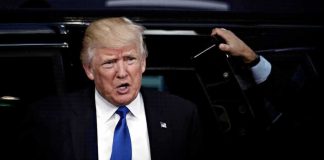

President Trump told Americans that paying a little more at the pump is a fair trade to stop a hostile regime from getting nuclear weapons, and he said prices will fall back soon.
At a Glance
- Trump called higher gas a temporary, acceptable cost tied to national security.
- Average gas prices hovered above $4 as war roiled oil markets.
- Polling shows most voters blame Trump for the surge and feel budget pain.
- Energy officials cite disrupted supply and fear as key price drivers.
Trump’s Stated Tradeoff: Pay More Now, Be Safer Later
Trump linked higher gas costs to a clear goal: deny a terror-sponsoring regime a nuclear weapon. He told crowds to “remember” the reason for the extra cost and promised prices would “come tumbling down” afterward. He also argued current fuel prices were not very high, compared to past periods, and framed the spike as short-lived and justified by security aims. This is classic “short pain, long gain” messaging that bets voters will accept near-term costs.
Supporters of this approach point to wartime oil shocks. Prices often jump on supply risks and fear, not just barrels lost. That pattern fits the moment. Global supply routes face stress, and markets price in risk fast. The Energy Information Administration has noted how conflict and uncertainty drive volatility, with higher crude costs feeding into pump prices within weeks. That cause-and-effect gives a policy logic to Trump’s argument, even if it strains family budgets now.
The Price Board Does Not Blink: What Americans Actually Pay
Drivers saw national averages above $4 per gallon as the conflict dragged on, with some states far higher. The American Automobile Association data, cited by national outlets, tracked a swift climb from the prior year’s level. Diesel hit records, a red flag because diesel moves goods. When freight fuel spikes, grocery and hardware prices soon follow. That pass-through turns a gas story into a full-cart story for most households, magnifying frustration well beyond the pump.
Monthly inflation reports show gasoline as a heavy share of the recent uptick, even when other components cool. Labor Department data cited by business outlets reported almost four percent month-over-month gas gains in a single print, making fuel a lead driver of the overall rise. Voters experience this daily. They see higher totals at checkout and blame whoever holds power. That may be unfair to any president, but it is very real politics.
Blame, Backlash, and the Politics of Pain
National polls show a strong majority of voters pin at least some responsibility on Trump for the price surge, given the war decision and the clear, public link he drew between policy and prices. Other reputable surveys reported similar majorities assigning him “a lot” or “some” blame. Large shares also said gas costs strain their budgets. That mix explains why the political headwinds grew even as the White House touted long-term security gains.
Fair-minded observers can accept two truths at once. First, presidents do not set oil prices; world events and market psychology do. Second, when a president makes a big call that tightens supply or adds risk, prices tend to rise, and voters notice. On balance, the polling looks consistent with common sense: own the policy, own the price board. That does not make the policy wrong; it makes the politics hard.
Can Prices “Tumble” From Here? What Would Have to Change
A quick drop needs fewer fears and more barrels. That means clear de-escalation signals, safer sea lanes, and visible stock builds. The Energy Information Administration raised oil price forecasts while stocks fell under war pressure, a sign that the market expects tightness to persist until supply risk eases. If diplomacy cools risk premia and refineries get steady crude, retail prices can retreat. If not, any relief will be slow and lumpy, not a clean slide.
House Republican Meeting Turns Into Shouting Match: ‘This Is Fucking War!’
Speaker Mike Johnson summoned top GOP members to discuss suspending the gas tax, but the session got ugly and personal.
https://t.co/yqQAO5qbvE— Steve Williams (@HISteveWilliams) September 16, 2026
There is also the domestic lever debate. Leaders can waive rules, open reserves, or fast-track pipelines and refining upgrades. Those steps help around the edges and signal resolve, but they rarely beat a global supply shock in the short run. The surest fix remains calmer geopolitics and more secure flows. That brings us back to Trump’s wager: short pain for long security. Voters will judge that trade at the pump, every other day, until the risk fades or the price does.
Sources:
mediaite.com, rev.com, usatoday.com, cnn.com, huffpost.com, washingtontimes.com, theguardian.com