

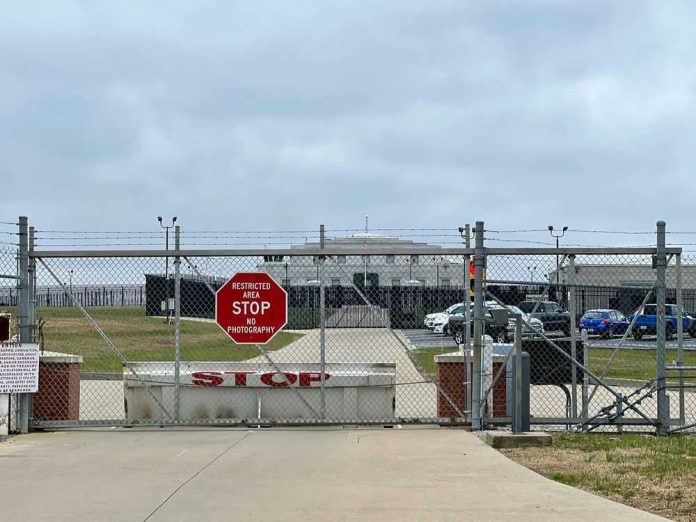
The federal watchdog says 79 people were put into phone-booth-sized metal cages, and the label on the door was “calming.”
Story Snapshot
- Inspectors documented small metal enclosures used on 79 detainees, some for nearly two hours.
- The boxes measured about 18 square feet and sat in outdoor recreation areas.
- Facility staff called the spaces “calming areas,” a practice the watchdog called unprecedented.
- The same report flagged wider safety and health failures at the site.
Watchdog details a practice it called unprecedented
The Department of Homeland Security Office of Inspector General reported that staff at the Everglades Detention Facility used two small metal enclosures to confine 79 detainees for stretches ranging from minutes to almost two hours. The report described each enclosure at roughly 18 square feet, about four feet three inches by four feet three inches, and nearly eight feet tall. Inspectors found the boxes in outdoor recreation areas. The watchdog called the use unprecedented in facilities it has inspected.
Facility staff told inspectors the enclosures were “calming areas.” That admission anchors the most contested detail: not whether the cages existed, but why they were used. The watchdog rejected the practice as risky to health and safety. The report said the setup did not align with humane treatment standards that govern immigration detention. The use of small, outdoor metal boxes during Florida heat raises obvious concerns about temperature, hydration, and stress for anyone locked inside.
Numbers, placements, and what they suggest
The inspector general counted 79 detainees placed in the enclosures during the review window. The range of confinement times ran from a few minutes to nearly two hours, with an average under an hour according to summaries. The report did not publish a person-by-person log in the publicly available coverage, so the pattern behind each placement remains unclear. Even so, the scale suggests more than a one-off misuse. Repeated use over weeks or months points to an accepted tool, not a rare emergency.
Photos and measurements reported by multiple outlets match the same physical picture: two metal structures, small footprints, and outdoor exposure. This context matters because the watchdog’s concern rested on both size and setting. The outdoor location adds heat, insects, and humidity to the risk profile. The small floor space limits movement and airflow. That combination explains why the inspector general singled it out as unlike anything seen in prior immigration facilities it inspected.
Broader failures beyond the cages
The report did not stop at the enclosures. Inspectors also flagged lapses in environmental health and safety, special management oversight, medical care, food service, personal hygiene, and recreation. Failures across these basic areas raise a straight question for taxpayers and for anyone who values order: if a facility cannot meet hygiene and health standards, why did staff believe they could improvise with metal boxes? Rules exist to protect both detainees and officers. When basics slip, strange fixes creep in.
Amnesty International had warned about cage-like confinement at the same site months earlier. That context does not prove every claim it made. It does show the watchdog’s findings did not appear out of thin air. Prior human rights fieldwork described a pattern of harsh conditions at Alligator Alcatraz and at Krome in Miami. The inspector general’s report, as summarized in major outlets, gave institutional weight to concerns that had already been raised in advocacy reports and oversight visits.
The defense, and how it stacks up
Department of Homeland Security officials previously pushed back on claims about Alligator Alcatraz, saying the site met federal standards and that stories of abuse were false. Florida officials and facility defenders also described the cages as voluntary “calming areas” to de-escalate tense moments. That framing deserves a hard look. Voluntary time-outs do not require locked metal boxes outdoors. If a person cannot freely leave, it is confinement, not a wellness break. The watchdog’s language supports that plain reading.
"ALLIGATOR ALCATRAZ" REPORT: DETAINEES HELD IN METAL CAGES LABELED "CALMING AREAS"
THE WATCHDOG FINDING
The Department of Homeland Security inspector general released a 34-page report on September 14, 2026, detailing conditions at Florida's makeshift immigrant detention center,… https://t.co/wcoIeuaVZ4
— THE WORLD CORRESPONDENT (@TheWorldCorresp) September 14, 2026
American conservative values prize personal responsibility, rule of law, and humane limits on government power. Confining people in tiny outdoor boxes fails that test on all three counts. It signals sloppy management, not strength. It risks lawsuits and higher costs, not savings. It erodes public trust in immigration enforcement, which needs order and credibility to work. A real fix is simple: clear, enforced standards; basic climate-safe spaces; and transparent logs for any short-term hold.
What accountability and reform should look like
Congress and state leaders should demand the full inspector general report, including photos, logs, and any medical notes tied to enclosure use. The operator should release purchase records, design specs, and policies that explain why these boxes existed. If staff used them for discipline or convenience, that needs discipline and retraining. If they were installed as a misguided safety tool, that calls for better design and strict approval rules. None of this is partisan; it is basic custodial care.
Immigration detention will remain a tough, high-pressure mission. That makes bright lines more important, not less. Temporary or soft-sided facilities need rules as strong as brick-and-mortar sites. Detainees are in government custody, so the government owns their safety. Locking someone in a sweltering metal box is not control; it is a shortcut that backfires. The inspector general lit the path forward: remove the cages, fix the basics, and post the rules so everyone can see them.
Sources:
washingtontimes.com, nbcnews.com, washingtonpost.com, nytimes.com, news.ssbcrack.com