

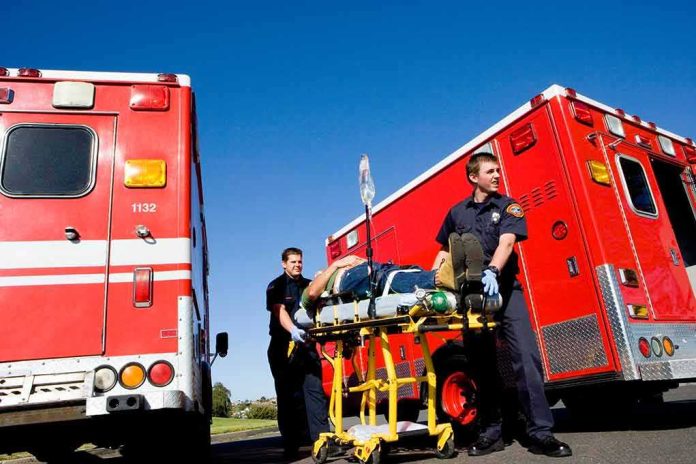
A routine hospital transfer turned fatal when an 83-year-old woman fell onto concrete and died later that day.
Quick Take
- Margaret Batten died after falling from a stretcher in the ambulance loading bay at Whangārei Hospital.
- She hit her head on a concrete floor after a St John officer lost control of the stretcher.
- A coroner found the death was caused by a traumatic brain injury from that impact.
- Other stretcher-fall cases show how inquests often separate the dramatic fall from the exact medical cause of death.
What Happened in the Loading Bay
Margaret Batten was being moved down a ramp on a stretcher when the left wheel caught on a wooden kickboard. The stretcher tipped, and she landed on her left side on the concrete floor.
She was checked by staff and taken back into the emergency department. She later died that same day, and the coroner said the fatal injury was a traumatic brain injury caused by the blow to her head.
Why This Case Stuck With People
The facts are stark because the injury happened during care, not after it. That makes the case hard to forget, even before anyone starts asking how a transfer went wrong.
Inquest findings matter because they sort out the chain of events. The coroner’s role is to identify the cause of death and explain what happened, not just describe the accident.
Another Stretcher Fall, Another Layer of Complexity
Christine Faunch’s death in Kent followed a similar public pattern but ended with a different medical question. Reporting on that inquest said she fell onto concrete while being carried by paramedics, yet experts told the inquest that the fall was most likely not the direct cause of death.
Instead, the post-mortem found a ruptured spleen and catastrophic bleeding, and the inquest focused on whether the fall could have caused that internal injury.
FULL Chapter 2 The Second Rescue
It is 2025, and sirens from an ambulance just screamed by, indicating another overdose in the city. I am writing this book in my outreach van downtown with my cat, Buddy, sitting beside me. But before I tell you about the supernatural healing of… pic.twitter.com/AJNbMNBALW
— Brother John & Buddy the Cat (@john_elving) August 6, 2026
That contrast is the key lesson from these cases. A fall can be obvious, horrifying, and medically serious, while the exact cause of death still depends on what the body suffered inside.
Why Inquests Matter
Coroners often have to separate three things that the public blends together: the accident itself, the injury it caused, and the final medical cause of death. A death can be ruled accidental even when experts say the mechanics are more complicated than the first headline suggested.
That is why these hearings can feel both simple and technical at once. Families want answers about how a trusted transfer ended in tragedy, while the court has to pin down the precise medical chain that turned the fall into a death.
Sources:
mirror.co.uk, 1news.co.nz, nzherald.co.nz, abc.net.au, coronerscourt.vic.gov.au