
Indiana’s lieutenant governor did not just say he hates Islam — he now wants mosques silenced in public, pulling a local noise fight straight into the heart of America’s church-and-state debate.
Story Snapshot
- Micah Beckwith wants a ban on mosques broadcasting the Muslim call to prayer over loudspeakers in Indiana and nationwide.
- His demand follows earlier comments calling Islam a “demonic death cult” and urging Americans to “hate again.”
- Muslim and interfaith groups say his stance attacks religious freedom, not just sound levels.
- The clash exposes a bigger question: who controls what faiths can sound like in America’s public spaces.
Beckwith moves from harsh words to a concrete ban
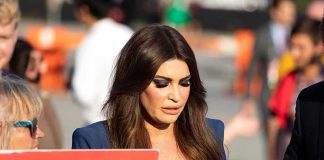
Indiana Lieutenant Governor Micah Beckwith first grabbed national attention when he said, “I hate Islam, it’s a demonic death cult,” during a Christian political program, FlashPoint, in May 2026. He told viewers Americans need “permission to hate again” and framed Islam as something God Himself hates. Those remarks drew strong pushback from Muslim advocates and interfaith leaders, but Beckwith did not back down. Instead, he used the backlash as fuel to sharpen his message.
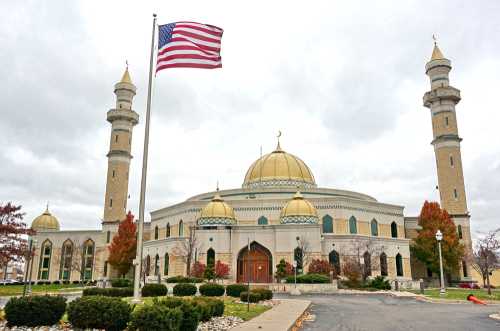
In a June conservative podcast interview, Beckwith took his argument from ideas to policy, saying mosques should not be allowed to broadcast the Muslim call to prayer over loudspeakers. Soon after, he went further on social media. He wrote that he “100%” wants to ban mosques in America from “blaring the Muslim call to prayer through loudspeakers five times a day across our cities,” making clear this was not only about Indiana but about the country as a whole. These comments turned a culture war soundbite into a direct challenge to how cities regulate public religious sound.
From online backlash to organized Muslim response
A national Muslim advocacy group quickly condemned Beckwith’s description of Islam as a demonic death cult and his wish that all Muslims would become Christians. The Council on American-Islamic Relations and Indiana Muslim leaders released a video calling him out for spreading anti-Muslim hate and demanding he retract his statements or meet local Muslims and hear their perspectives. Jewish community leaders in Indianapolis joined an interfaith statement criticizing his call to “hate” Islam, prompting Beckwith to attack them as “deeply misguided” on social media and cite Islamic texts he said prove hostility toward Jews.
These organized responses argue that Beckwith’s proposed ban is not a neutral rule about noise but part of a pattern of targeting one faith for exclusion from public space. They say his rhetoric paints Muslims as a threat and primes voters to accept unequal treatment under the law. Beckwith insists he “loves Muslims” and views them as potential Christians, but his push to silence their worship practice in public undercuts that claim. For many Hoosiers, the issue is no longer only what he believes about theology but what power he wants the state to use.
How the First Amendment handles religious sound
The First Amendment to the United States Constitution bars government from prohibiting the free exercise of religion and from abridging freedom of speech. Courts and civil liberties groups have long held that this protection covers religious expression in sound, including church bells and calls to prayer, as long as rules about volume and hours apply fairly to everyone. Legal scholars note that complaints about “religious noise” have often been used to try to contain unpopular faiths, but judges are most comfortable when they treat religious sound just like any other sound.
Recent city policies show the other direction Beckwith could have taken. Minneapolis changed its noise ordinance to allow mosques to amplify the call to prayer outside on loudspeakers, while still tying them to general limits on hours and volume. Hamtramck, Michigan, wrote an ordinance that permits both church bells and Muslim calls to prayer during certain hours, with time limits to protect neighbors. These examples follow a simple rule that fits American conservative values and common sense: set one standard for sound and apply it equally to all faiths and nonreligious uses, without singling out a particular religion for special burdens.
What Beckwith’s proposal means for religious freedom
Beckwith is not talking about a general noise rule. He is calling for mosques, and only mosques, to lose the right to broadcast a core religious practice in public spaces. As reported by Indiana outlets, he has even said Muslims have no right to exercise their faith “in our public spaces,” and that America’s Christian heritage means Christianity should take precedence over other faiths. That view clashes sharply with the First Amendment’s plain text and with the conservative argument for limited government that does not pick winners and losers among religions.
From a common-sense, right-of-center perspective, the key test is simple: are rules neutral, and are they enforced the same way for everyone? A city can cap every loudspeaker at a certain decibel level or restrict any sound between midnight and 5 a.m. It crosses the line when it lets church bells ring freely while banning the Muslim call to prayer by name. Beckwith’s own words make clear his aim is not equal limits but special restrictions on Islam, justified by his belief that it is dangerous and hateful. That approach invites costly court fights, deepens religious tension, and hands future governments the power to silence any faith they come to dislike.
Sources:
twitchy.com, wfyi.org, indianacitizen.org, instagram.com, facebook.com, yahoo.com, acluaz.org, youtube.com, themarginaliareview.com