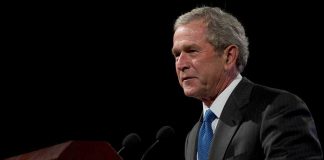

Dallas Mayor Eric Johnson stood before Republicans and said he switched parties to back police, cut taxes, and reject tent cities — and he is not looking back.
Story Highlights
- Johnson told the Republican midterm convention he left Democrats over public safety, taxes, and homelessness.
- He said Republicans better match his push for economic growth and law-and-order governance.
- His 2023 switch made Dallas the largest U.S. city with a Republican mayor.
- Party switching by local officials is common when brands shift or coalitions change.
What Johnson Said And Why It Landed
Eric Johnson laid out a simple case in Dallas: safe streets first, lower taxes next, jobs right after that. He told Republican delegates he “joined a party” that backs police, respects taxpayers, and rejects tent encampments that take over public space. He said he “left a party” that moved toward defunding the police and tolerated chaos. Johnson’s words matched what many city dwellers say they feel nightly: crime, disorder, and costs do not lie.
Johnson linked order to growth. He argued that when police have support, small businesses invest, and families return to downtown. He said pro-business policies raise opportunity, while high taxes and lax enforcement drive it away. He pointed to Dallas as a proof point: focus on safety and jobs, and the city rises. That message fit a broader Republican pitch that strong borders, safe neighborhoods, and lighter tax burdens build the middle class.
The Switch That Reframed A Big City
Johnson’s 2023 party change made Dallas the largest American city led by a Republican mayor at the time, a symbolic break with the big-city trend. He announced the move in a Wall Street Journal op-ed and later told local outlets the shift aligned with how he already governed. He said he would vote in Republican primaries going forward and lead on public safety and economic growth without apology.
His stage time since then backed that claim. He addressed the Republican National Convention and warned that permissive urban policies harm working families. He also criticized Democrats for drifting away from law-and-order priorities. Supporters called the move overdue. Critics called it opportunistic. Voters can judge his results, but the line he draws is clear: safe cities need clear rules and consequences.
Public Safety, Homelessness, And Taxes As Choice Points
Johnson framed police support as the hinge issue. He argued that defunding efforts failed residents who depend on fast 911 response and visible patrols. He tied tent encampments to failing standards that hurt the poor most. He said lower taxes and simpler rules help shops hire and grow, which reduces homelessness by creating work. That platform fits a classic civic trade: insist on order, lower the cost to do business, and watch revenues rise from growth, not hikes.
Eric Johnson just spoke at the Republican Convention in Dallas.
He’s the current mayor of Dallas and one of the few Republican mayors of a major city in the country.
He’s done a great job and gave a very good speech.
But here’s something most don’t know.
(Brave search)
“A…
— JoeLange (@JoeLange) September 11, 2026
Conservatives will see common sense here. Strong policing protects the innocent. Lower taxes reward work and investment. Clean sidewalks and parks show respect for taxpayers who fund them. If a policy fails the street test — does the bus stop feel safe at night, can a diner make payroll, are families choosing to stay — then change course. Johnson’s pitch boils down to that gut check, and many urban voters are listening.
How His Shift Fits A Larger Pattern
Johnson’s move matches a known political pattern: local leaders switch parties when brands and coalitions change around them. Research shows party switching by mayors and local officials is not rare, and it often follows moments when the original party label stops helping them govern or win. In polarized times, a party tag signals clearer stances on crime, taxes, and growth, so the incentive to realign becomes strong.
thegatewaypundit.com, keranews.org, abc3340.com, youtube.com