

A Jersey Shore family vacation turned into a near-fatal emergency when a 2-year-old boy overdosed on cocaine while in the care of a man now facing child endangerment and drug charges.
Story Snapshot
- A 2-year-old stopped breathing in North Wildwood and tested positive for cocaine after being revived.
- Authorities say caretaker Alexander Moles was responsible for the child when he fell critically ill.
- Police searched the vacation rental and say they found cocaine, drug tools, and strong pain pills.
- The case highlights how prosecutors now move fast when drugs and small children collide.
Toddler Overdoses On Cocaine During Jersey Shore Vacation
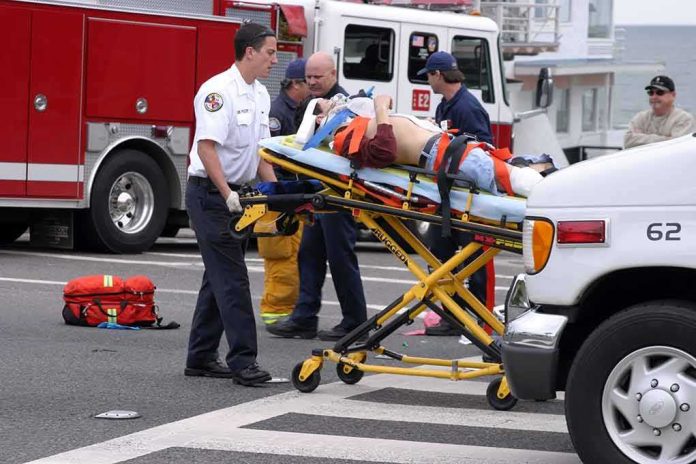
North Wildwood firefighters got the call on the morning of July 20: a sick child struggling to breathe in a car near 21st and New Jersey avenues. Responders found a 2-year-old boy in obvious distress inside a vehicle driven by 39-year-old Alexander T. Moles, who had been trying to get the boy to a hospital. Emergency crews gave the toddler two doses of Narcan, a medicine that can reverse opioid overdoses, and the child responded before being taken for further treatment.
2-year-old boy overdoses on cocaine on the Jersey Shore
Alexander Moles was charged after a youngster who was in his care fell ill in North Wildwood at Jersey Shore
Investigators say that Moles, 39, was on vacation at a property in Wildwood at the time of the incident. …
1/3 pic.twitter.com/zzSPdi3G4m— ˶˃ News Reader Cat 📰🗞️NO DMs˂˶ (@typocatCAv2) July 27, 2026
Doctors at Cooper University Hospital Cape Regional ran blood tests on the boy after he was stabilized. Preliminary results showed cocaine in his system, according to authorities. The Cape May County Prosecutor’s Office later said the child had overdosed while the family was vacationing in Wildwood and staying at an Airbnb. The boy survived, but the toxicology result turned a medical emergency into a criminal case centered on drugs, child safety, and basic adult responsibility.
Caretaker Charged With Child Endangerment And Drug Offenses
Prosecutors say Moles, from Ringwood in North Jersey, was in charge of the toddler and his siblings that morning while their mother took a shower and got ready for checkout at the rental home. When she came out, she found her son sleepy and having trouble breathing, and Moles drove the boy toward a nearby hospital, where first responders intercepted them and took over. After the cocaine result, investigators focused on what was inside that Airbnb and under whose control it was.
Police, working with a court-approved search warrant, went through the vacation rental where Moles had been staying. According to an affidavit described in news reports, officers found a clear plastic bag with a white powdery substance, short plastic straws, a pill, and tinfoil packets labeled tapentadol hydrochloride, a strong prescription painkiller. Authorities say Moles told police he believed the toddler might have taken “pain killers,” but testing tied the emergency to cocaine exposure, not just prescription drugs.
How Prosecutors Are Framing The Case And Why It Matters
Based on the scene and the toxicology, Cape May County authorities charged Moles with second-degree endangering the welfare of a child, possession of cocaine, possession of drug paraphernalia, and possession of prescription legend drugs. He was arrested on July 21, held at the county correctional facility, then released with conditions after a detention hearing on July 24 while the investigation continues. Those charges reflect a clear prosecutor view: that illegal drugs and a helpless child should never share the same space.
This case fits a growing pattern where child overdoses trigger immediate criminal action when drugs or paraphernalia are found nearby. In New York and on Long Island, parents have faced manslaughter charges after toddlers died from cocktails of cocaine, fentanyl, and other drugs allegedly left within reach in the home. From a common-sense, conservative perspective, this approach lines up with a simple rule most Americans support: adults must protect children first, and their own drug use never comes before a child’s safety.
The Broader Problem Of Kids And Adult Drug Use
Medical case reports show that cocaine poisoning in infants and toddlers is rare but often severe, sometimes deadly. When it happens, investigators typically rely on three pillars: toxicology tests, what they find at the scene, and the timeline of who was watching the child and when. That is exactly the structure we see in North Wildwood: a positive cocaine test, physical evidence of drugs and drug tools in the rental, and a clear record that Moles was the supervising adult when the boy became ill.
Some defense lawyers in similar cases argue that the full story of how a child got exposed is often more complicated than early charges suggest. They point to questions like whether the child touched contaminated surfaces or swallowed a pill dropped by someone else. Still, jurors tend to judge by basic duties. When you agree to watch a 2-year-old, you accept a high duty of care. If drugs are present and the child ends up overdosing, that failure is hard to square with any serious idea of responsibility.
Where The Case Goes From Here And What Families Can Do
The North Wildwood investigation is still underway, and prosecutors have not yet laid out every detail of how they believe the toddler came into contact with cocaine. For now, the charges focus on the endangerment and the drugs found under Moles’s control, not on a complete blow‑by‑blow of exposure. That may come later in court. What will not change is the fact that a small boy almost died on what should have been a simple beach trip.
For families, the lesson is sharp and simple. Any illegal drug, and many legal ones, can kill a young child at tiny doses. Overdose experts urge parents and caregivers to call 911 right away if a child is unresponsive, not breathing right, or acting drastically different after possible exposure. People battling addiction or misusing pain pills can get help through the national treatment helpline run by the Substance Abuse and Mental Health Services Administration. Protecting kids means facing those problems before tragedy strikes, not after a toddler is fighting to breathe in the back of a car.
Sources:
independent.co.uk, newjersey.news12.com, samhsa.gov, pubmed.ncbi.nlm.nih.gov, nida.nih.gov, nypost.com, nbcnewyork.com, facebook.com, people.com