
The rehearsal dancers at Trump’s Freedom 250 fair did exactly what past disaster victims could not: they saw the danger coming and escaped before the stage came down.
Story Snapshot
- A large overhead stage section broke loose and crashed during a Freedom 250 rehearsal, narrowly missing dancers.
- Video shows performers dodging falling equipment with no confirmed injuries so far.
- The incident lands in a long, ugly history of political and state fair stage failures, some deadly.
- Silence from organizers on what went wrong now feeds charges of chaos and negligence around Trump’s Great American State Fair.
A rehearsal turns into a near miss on a Trump-branded stage
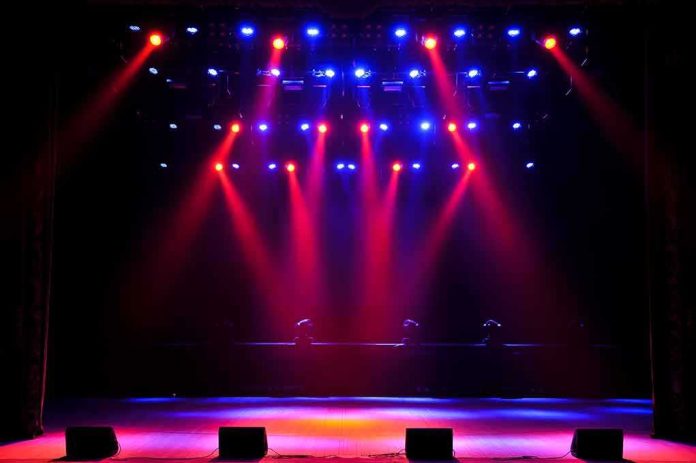
The core facts are not in dispute. During a Thursday afternoon rehearsal for the Freedom 250 July 4 celebration, a large piece of overhead stage equipment suddenly detached and crashed onto the main platform while dancers performed below. Footage posted by lawyer and frequent Trump critic Aaron Parnas shows the overhead structure dropping as performers scramble away from the impact zone. Reports say the dancers moved out of the way in time and that, at least at first, there were no confirmed injuries. The rehearsal was part of Trump’s Freedom 250 Great American State Fair buildup ahead of his planned 9:45 p.m. speech on July 4. Instead of showcasing smooth production, the viral clip turned the fair’s stage into a symbol of something else: a big promise held together with loose bolts.
Coverage from a range of outlets painted the moment as more than a simple “oops.” Times Now News described dancers “narrowly escaping” the falling section. Mediaite noted the loud, heavy crash and said the piece appeared very substantial, which tracks with the thud heard on video. Commentators like Ryan Grim called the setup “incredibly dangerous,” and Brian Krassenstein summed up the mood by saying “People literally could have died.” That kind of language matters. It pushes the story out of the “minor mishap” bucket and into the bigger debate over whether Trump’s Freedom 250 project is careless with people’s safety and public trust.
No injuries, no answers, and a lot of avoidable uncertainty
Some good news exists. Later reporting from outlets such as ATLBlackStar repeated that no injuries were reported in the stage incident. But these same stories also stressed that it was “not known” whether anyone had been struck by debris at the time they were written. That gap matters more than organizers seem to realize. There has been no detailed statement from Freedom 250 leadership, production contractors, or government safety officials explaining what failed, whether inspectors signed off on the rigging, or what repairs and checks followed. For a national celebration that the Trump White House advertises as “one of the grandest displays of patriotism the world has ever seen,” the silence invites the worst assumptions. Conservatives who value personal responsibility and competent management should expect better than “trust us” after a visible structural failure inches away from performers’ heads.
Critics have not waited. Commentators on YouTube and social platforms already frame the fair as a “major flop,” highlighting empty-looking grounds, power outages, and a non-working ferris wheel as part of a pattern of mismanagement. Some describe the stage incident as one more omen for a troubled event that has already seen performer withdrawals and weather issues. That may sound like piling on, but when organizers refuse to share basic facts, narrative control passes to whoever is loudest online. This is political malpractice. It hands ammunition to opponents who want to link Trump’s brand to chaos and risk, and it leaves supporters with little more than faith to defend the effort.
What near-disaster looks like next to real catastrophe
To understand the stakes, place the Freedom 250 rehearsal beside the worst stage failures of the last fifteen years. In 2011 at the Indiana State Fair, a temporary concert stage collapsed under storm winds, killing seven and injuring 58 people. Investigations later showed more than simple bad luck. The structure was never properly engineered or inspected. Key supports used loose concrete barriers as anchors, and the system could not handle the lateral forces from high winds. Organizers knew violent weather was coming yet failed to evacuate the crowd in time. Laws and emergency plans only improved after lives were lost and a roughly $50 million settlement hit taxpayers and contractors. That is what preventable negligence looks like once all the facts are on the table.
More recently, a campaign rally in northern Mexico ended with nine people dead and at least 121 injured after a gust of wind toppled a stage over the crowd. Video from that event shows the roof, lights, and screen crashing as people run for their lives. Officials there also point to strong winds, but early reports suggest weather warnings were ignored, and questions about structural design and risk planning are now front and center. These tragedies underline a simple rule: temporary stages at political events are not decorations; they are large engineered systems, and when they fail, the cost is paid in human bodies, not just bad headlines.
Where common sense and conservative values should land
Compared to Indiana or Mexico, Trump’s Freedom 250 rehearsal was blessedly uneventful. The dancers walked away. The panel fell instead of the whole structure. But the narrow gap between “close call” and mass casualty is the whole point. American conservative values center on duty, order, and learning from hard lessons. Those lessons already exist. After multiple deadly collapses, serious events now demand clear engineering sign-off, honest risk communication, and prompt investigation reports when something goes wrong. Freedom 250’s organizers so far offer none of that to the public. That failure does not prove criminal negligence, but it does show a troubling comfort with opacity at a moment when transparency is easy and morally obvious.
The responsible response is not to weaponize every mishap against a political enemy, nor to shrug off clear safety lapses because “no one died this time.” It is to insist that any administration building giant temporary structures for a million people, and putting dancers under tons of steel and lights, treat those people as more than background scenery. That starts with a full explanation of why a major stage element detached, who signed off on the design, and what changed before the July 4 show went forward. Until that record exists, the viral clip of dancers dodging falling hardware will stand as the fair’s truest symbol: a big patriotic promise wobbling above citizens who are left to save themselves.
Sources:
feedpress.me, timesnownews.com, rawstory.com, youtube.com, mediaite.com, facebook.com, nz.news.yahoo.com, instagram.com, thehill.com, yahoo.com, abcnews.com