
Street chaos in Belfast after a brutal stabbing exposes a deeper crisis: leaders downplay risk while border failures fuel rage.
Story Highlights
- Police charged a Sudanese national with attempted murder and said there was no terrorism link [1][4].
- Protests turned violent, with vehicles and buildings torched across Belfast [2][5][6].
- Officials urged calm and warned against disinformation as videos spread online [1][4].
- Authorities said the suspect was unknown to police and not on security databases [1].
Police Frame Case As Attempted Murder, Not Terrorism
Police Service of Northern Ireland leaders said they found no sign of terrorism in the Belfast stabbing. Officials said investigators were working with counterterrorism partners only as part of standard checks. They stressed the case was an attempted murder probe, not a terrorism case. This framing shapes what evidence is shared and when. It also aims to calm fears of a wider cell or plot. That clarity matters, but it does not answer public anger over border policy or vetting gaps [1][4].
Police leaders also said the suspect was not known to the Police Service of Northern Ireland and did not appear on national security databases. That claim suggests no prior watch-list flag. It also implies there was no earlier tip to stop the attack. These points support a view of a single criminal act by one person. Yet they leave open hard questions about how screening worked when the suspect entered and won leave to remain in the United Kingdom [1].
Suspect’s Immigration Pathway Fuels Public Backlash
Reports said the suspect, a Sudanese national, entered Europe through Paris and Dublin and gained leave to remain in the United Kingdom in 2023. That journey and status became the focus of protests after the stabbing. Critics said the case shows weak borders and poor vetting. Supporters of tighter controls said the system is too slow and too trusting. Police, meanwhile, asked people to let the investigation run and to avoid street justice or rumor sharing [1][2][3][4][5].
Public reaction moved fast, driven by graphic clips online. Crowds formed and emotions ran hot. The debate shifted from one attack to a larger fight over migration policy. Media and politicians repeated warnings about false claims spreading on social platforms. That warning reflects a now common pattern. One shocking crime gets turned into a larger story before investigators release full facts. That turn raises tensions and can lead to unrest before evidence is tested in court [1][4].
Street Disorder Escalates: Fires, Damage, And Fear
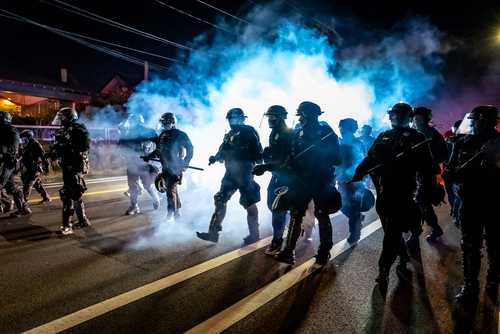
Unrest swept parts of Belfast after the arrest. Videos showed torched buses, burned cars, and damaged shops. Some homes were threatened. This violence added fear and confusion to an already tense city. Police said they were not seeking other suspects in the stabbing. That did not stop the crowds. The scale of fires and damage made the crisis feel broader than one case, even as police insisted there was no sign of an organized terror plot at work [2][5][6][1].
🚨 #BREAKING Update : Streets across Northern Ireland descended into unrest as masked rioters set vehicles ablaze, clashed with police, and targeted properties linked to immigrant families following the charging of a Sudanese asylum seeker with attempted murder in a serious… https://t.co/NytoJgH6oT pic.twitter.com/Xocy3chIrO
— The Globe & News (@TheGlobeNewt) June 10, 2026
Officials called for calm as communities braced for more protests. Leaders urged people to avoid sharing graphic images and to stop spreading claims that were not backed by facts. The message was simple: let the justice system work. But the emotional center of the unrest was immigration policy, not case details. Without fast release of evidence on motive, many will suspect the worst. That vacuum helps agitators define events before truth reaches the public [4][1].
What We Know, What We Do Not, And Why It Matters
Here is what is clear. Police charged a 30-year-old Sudanese man with attempted murder and related crimes. They said there is no terrorism link and no sign of other suspects. They said the man was not on security databases. They urged calm and asked the public to avoid violence. These facts support a narrow, criminal frame. But they do not settle motive, planning, or how screening failed if warning signs existed before the attack [1][4][2][5].
Here is what remains unclear. Investigators have not released forensic details, digital evidence, or a full charging sheet. The public has not seen court filings or a motive summary. Without those, people will link this to border and asylum policy, fairly or not. That is why transparency matters. Quick, factual updates can cool tempers. Slow, partial updates invite rumor. Clear evidence, shown soon, is the best tool against both disorder and distrust [1][4].
What Conservatives Should Watch Next
Watch for court records that detail motive, planning, and the weapon used. Look for confirmation of the suspect’s route and the basis for leave to remain. Demand a timeline on the database checks that found no prior flags. Ask when police will share body camera logs or closed-circuit video summaries. These steps do not excuse violence in the streets. They do restore trust by showing whether the system worked, failed, or was blocked by policies that put ideology over safety [1][4][5].
Sources:
[1] Web – Cars burn in Belfast after a Sudanese immigrant was charged with …
[2] Web – Violent unrest breaks out in Belfast after Sudanese suspect arrested …
[3] YouTube – BELFAST RIOTS LIVE: City ERUPTS After Brutal Stabbing
[4] YouTube – Horrific stabbing attack sparks anti-immigration protests in Belfast
[5] Web – U.K. leaders call for calm as protests break out after Belfast street …
[6] YouTube – UK: Demonstrators Torch Vehicles, After Belfast Stabbing