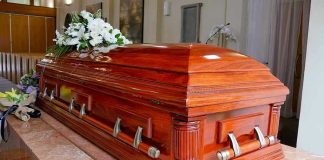

A Philadelphia teacher was found dead with twenty stab wounds to her body—ten to her back and neck—yet officials insist she killed herself.
Story Snapshot
- Ellen Greenberg, 27, was discovered dead in her locked apartment during a 2011 blizzard with 20 stab wounds and a knife in her chest
- The medical examiner initially ruled homicide, then reversed to suicide two weeks later after meeting with police investigators
- Federal authorities reopened the case in January 2026 after 15 years of family legal battles and mounting public scrutiny
- Fiancé Samuel Goldberg, who discovered the body and called 911, maintains innocence with gym surveillance alibi
- The original pathologist later stated in court the death should be classified as “something other than suicide”
A Death That Defies Common Sense
Ellen Greenberg left work early on January 26, 2011, as a blizzard descended on Philadelphia. The first-grade teacher returned to her Manayunk apartment around 4:30 p.m. Two hours later, her fiancé Samuel Goldberg came home from the gym to find their apartment door locked from inside. After forcing entry, he discovered Greenberg slumped against the kitchen cabinet with a knife protruding from her chest. The 911 call captured Goldberg’s frantic claims that she had “stabbed herself” or “fell on a knife.” Paramedics arrived to find twenty stab wounds covering her body, including ten to her back and neck.
The Ruling That Changed Everything
Dr. Marlon Osbourne performed the autopsy and initially classified Greenberg’s death as homicide. The wound pattern seemed impossible for self-infliction: multiple stab wounds to the back of her head and neck, eleven bruises in various stages of healing, and both deep and superficial cuts suggesting hesitation marks inconsistent with the final fatal blows. Yet two weeks later, Osbourne reversed his decision to suicide after consultations with Philadelphia police investigators. No public explanation accompanied this reversal, fueling immediate suspicion among Greenberg’s family and friends who knew her as a dedicated teacher with wedding plans.
The rapid change sparked a legal odyssey that would consume the next decade and a half. Joshua and Rochelle Greenberg, Ellen’s parents, launched multiple lawsuits seeking access to investigation records and demanding the suicide ruling be overturned. They hired attorney William Trask to challenge what they viewed as an implausible conclusion. The locked door, the back wounds, the sheer number of stab wounds—everything pointed away from suicide in their view. Philadelphia authorities stood firm, citing Goldberg’s verified alibi through gym surveillance footage and keycard records, plus the absence of his DNA on the murder weapon or signs of forced entry beyond the damaged door jamb.
Forensic Contradictions Mount
The case file reveals troubling inconsistencies that experts struggle to reconcile. Greenberg sustained wounds to areas nearly impossible to reach during self-harm: the back of her skull, her neck from behind, and her spine. She also had eleven bruises in different healing stages, suggesting injuries over time rather than a single incident. Medical examiners noted both superficial “hesitation” wounds typical of suicide attempts and deep, forceful stabs that severed her spinal cord. Critics ask how someone could continue stabbing themselves after such catastrophic injuries, particularly those that would have caused immediate incapacitation or death.
In October 2025, Philadelphia’s Chief Medical Examiner Dr. Lindsay Simon issued a thirty-two-page report reaffirming the suicide ruling. The document actually increased the wound count to twenty-three stabs and noted twenty bruises rather than eleven. Simon argued Greenberg’s documented anxiety over student grades and psychiatric treatment history supported suicide, and the absence of defensive wounds or intruder evidence pointed away from homicide. Family attorney Trask immediately called the report “deeply flawed,” highlighting what he termed false claims, including assertions that certain spinal injuries occurred during the autopsy rather than before death. Independent experts rejected this explanation, noting autopsy artifacts differ distinctly from antemortem trauma.
The Fiancé’s Conspicuous Silence
Samuel Goldberg has never been named a suspect, and investigators cleared him based on timestamped evidence placing him at a gym when Greenberg likely died. Yet his behavior draws persistent scrutiny. The 911 call contains oddities: immediate assertions she stabbed herself before responders could assess the scene, and descriptions witnesses found suspiciously definitive given the chaotic circumstances. Goldberg cooperated initially but declined most media requests over the years. In January 2026, Fox News cameras caught him outside his New York City home, where he now lives with his current family. When reporters asked about the federal investigation reopening, Goldberg refused comment and quickly retreated inside.
His post-Hulu docuseries statement in 2025 revealed lingering resentment. He told producers he felt “screwed over” by the attention, a phrase that struck Greenberg family supporters as tone-deaf given Ellen’s death and her parents’ anguish. Goldberg maintains he loved Ellen and remains devastated by her loss. Critics note the locked door suggests either Greenberg secured it herself before dying—supporting suicide—or someone locked it from inside after killing her, then escaped through another route or had a key. Investigators found no evidence of the latter scenario, though the Greenberg family questions whether police examined alternatives thoroughly enough before settling on suicide.
A System Under Fire
This case exposes fractures in Philadelphia’s medicolegal death investigation system that extend beyond one woman’s tragedy. A judge reviewing the Greenberg family’s lawsuit acknowledged the police, district attorney’s office, and medical examiner’s office conducted a “deeply flawed” investigation. Yet the same judge ruled he had “no choice under law” but to uphold the suicide determination, effectively saying investigative failures didn’t legally compel a classification change. That Catch-22 encapsulates the family’s frustration: admission of systemic problems without remedy or accountability. The city eventually settled the records lawsuit, releasing documents but maintaining the suicide stance.
The original pathologist’s reversal remains unexplained in detail. Dr. Osbourne stated only that “additional information” from investigators prompted his suicide conclusion, but what information could override forensic evidence of back-and-neck stab wounds? In a court filing before the settlement, Osbourne himself suggested the death “should be designated as something other than suicide,” a stunning about-face that raises questions about external pressure in 2011. Federal prosecutors reopened the case in January 2026 amid allegations of corruption and procedural failures highlighted by the Hulu true crime docuseries released months earlier. Whether this new investigation yields different conclusions or merely retraces old ground remains uncertain, but the Greenberg family expressed cautious optimism after fifteen years of legal battles.
The Unanswered Questions
Multiple stab-wound suicides do occur in forensic literature, but cases involving twenty-plus wounds—especially to the back—are extraordinarily rare. Most self-inflicted stabbings involve fewer wounds to accessible areas like the chest or abdomen, with victims succumbing quickly to blood loss or organ damage. Greenberg somehow continued functioning through injuries that included a severed spinal cord, back-of-skull penetration, and neck trauma. The knife remained lodged in her chest when Goldberg found her, suggesting the final wound. Medical examiners argue adrenaline and determination can enable prolonged self-harm, citing documented cases of individuals surviving extensive self-inflicted injuries before dying. Skeptics counter that determination doesn’t explain biomechanically impossible angles or the lack of significant blood trails suggesting movement around the apartment during the assault.
Ellen Greenberg’s anxiety over work grades provides the official motive. Colleagues and her psychiatrist confirmed she felt stressed about student performance evaluations in the weeks before her death. Yet friends and family describe a woman excited about her upcoming wedding, engaged in planning, and showing no signs of suicidal ideation severe enough to prompt such a violent act. The bruises in various healing stages suggest either repeated self-harm or repeated abuse—neither documented in her medical or psychiatric records prior to death. This gap between the official narrative and the physical evidence keeps the case alive in public discourse, amplified by true crime media that questions whether justice was served or buried under bureaucratic inertia.
Sources:
Philadelphia medical examiner reaffirms Ellen Greenberg’s 2011 stabbing death was suicide – ABC30
Ellen Greenberg: Ex-fiancé dodges questions as feds reopen death case – Fox News
Death of Ellen Greenberg – Wikipedia
Civil suit reveals new details in the case of Ellen Greenberg – Philadelphia Inquirer
Mysterious Death: Ellen Greenberg – Crime Junkie Podcast