

Emperor penguins have been officially upgraded to “Endangered” status as climate-driven sea ice loss threatens to push these iconic Antarctic birds toward extinction by the end of the century.
Story Snapshot
- IUCN upgraded emperor penguins from “Near Threatened” to “Endangered” in April 2026 due to rapid population decline
- Satellite data reveals a 10% population loss between 2009 and 2018, with over 20,000 adult penguins lost
- Climate models project a 50% decline by the 2080s and near-extinction by 2100 under current emissions trajectories
- Antarctic fur seals simultaneously upgraded to Endangered, signaling broader climate impacts on polar species
Official Endangered Status Reflects Accelerating Population Decline
The International Union for Conservation of Nature announced in April 2026 that emperor penguins now hold Endangered status on its Red List, marking a significant escalation from their previous designation as Near Threatened. Satellite monitoring documented a 10% population drop from 2009 to 2018, representing the loss of more than 20,000 adult penguins from colonies across Antarctica. This upgrade reflects deteriorating conditions driven by climate change, with Antarctic fur seals receiving the same Endangered classification after previously being listed as Least Concern.
Sea Ice Loss Disrupts Critical Breeding and Feeding Habitat
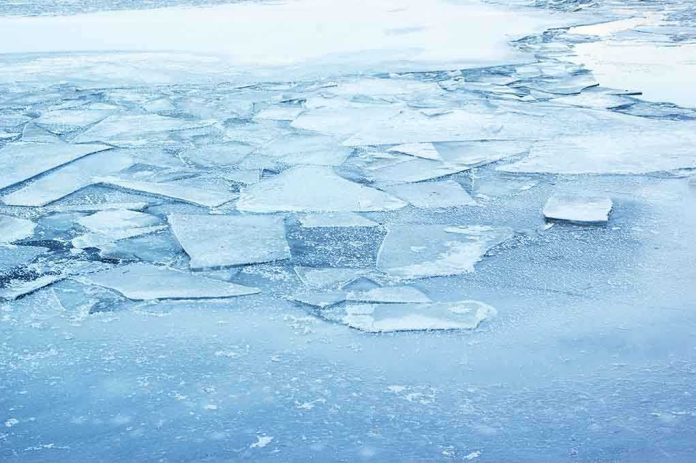
Emperor penguins depend on stable sea ice platforms for breeding colonies, where they raise chicks during the harsh Antarctic winter. As warming temperatures cause earlier ice break-ups and reduced ice extent, breeding habitat disappears beneath penguin feet, often drowning chicks before they develop waterproof feathers. Sea ice loss also disrupts the broader Antarctic ecosystem, reducing krill populations that serve as the primary food source for penguins and triggering cascading effects throughout the food web that further threaten penguin survival.
The approximately 595,000 adult emperor penguins remaining face mounting pressures from extreme weather events, including glacial calving that destroys breeding sites. Climate models predict continued sea ice decline will halve the population by the 2080s under moderate emissions scenarios. Without significant reductions in greenhouse gas emissions, scientists warn these birds face near-extinction by 2100, transforming them from Antarctic icons into climate change casualties within the lifetime of today’s children.
Conservation Groups Demand Government Action on Emissions
BirdLife International CEO Martin Harper characterized the Endangered listing as a “stark warning” requiring immediate government action to decarbonize economies and reduce emissions. Dr. Grethel Aguilar, IUCN Director General, emphasized that the findings should spur coordinated responses across multiple sectors to address the climate crisis. These calls for action come as the penguin listing provides conservation organizations with renewed leverage to pressure policymakers, though concrete recovery plans remain undeveloped beyond increased monitoring and research funding.
The simultaneous decline of emperor penguins and Antarctic fur seals underscores how climate change impacts extend across diverse polar species reliant on ice-dependent ecosystems. For many Americans concerned about government priorities, this development highlights a familiar frustration: while international bodies push expensive decarbonization agendas that could burden American workers and industries, questions remain about whether such policies address root causes or simply redistribute economic pain. The penguin crisis reveals how environmental policy debates pit conservation urgency against economic realities, leaving citizens to wonder if their elected representatives serve scientific experts and international organizations more faithfully than the families struggling with energy costs and inflation back home.
Sources:
“Stark Warning” As Emperor Penguins Added To Endangered List Amid Rapid Decline
Emperor Penguin and Antarctic Fur Seal Now Endangered Due to Climate Change – IUCN
Emperor Penguin Now Endangered Due to Climate Change – BirdLife International