

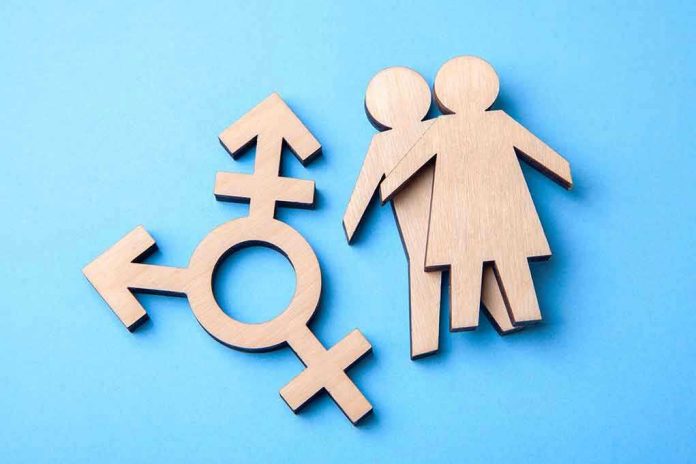
North Carolina’s new legislation redefines the legal landscape, recognizing only male and female as legitimate sexes, challenging the state’s social fabric and healthcare norms.
Story Overview
- North Carolina’s House Bill 805 recognizes only two sexes: male and female.
- The bill restricts gender-affirming care for minors, stirring controversy.
- The law reflects a national trend following Trump’s executive order.
- Bipartisan support was necessary to override the governor’s veto.
Legislative Background and Intent
House Bill 805, now in effect, was initially crafted to address concerns about child protection and sexual exploitation. The law, passed by the North Carolina General Assembly and enacted on January 1, 2026, formally recognizes only two sexes, male and female, based on biological characteristics at birth. This legislative decision marks a pivotal shift in state policy, affecting gender recognition, healthcare access, and legal documentation procedures.
The bill’s journey to becoming law was laden with controversy. Initially focused on protecting minors from sexual exploitation, the legislation gained bipartisan support in the House. However, it underwent significant changes during the Senate phase, where provisions were added to restrict gender-affirming care for minors and extend the statute of limitations for related medical malpractice claims.
Key Stakeholders and Their Positions
Governor Josh Stein, a notable opponent, vetoed the bill, labeling its provisions as “mean-spirited.” Despite this, a bipartisan effort in the legislature managed to override his veto, with one Democratic representative crossing party lines to support the override. Republican sponsors like Rep. Neal Jackson championed the bill as a necessary alignment with federal mandates and biological reality.
Advocacy groups like the NC Values Coalition supported the legislation, emphasizing child protection and parental rights. Conversely, LGBTQ+ advocates and organizations warned that the law would exacerbate discrimination and erase transgender and nonbinary identities from legal recognition in the state.
Immediate and Long-term Implications
The bill’s enactment brings immediate changes. State documents, including driver’s licenses, now recognize only male and female designations. Birth certificate procedures have also been modified, requiring counties to maintain multi-page documents for any updates. These administrative changes could lead to identification inconsistencies.
In healthcare, state funding for gender-affirming care for minors and incarcerated individuals is blocked, raising concerns about access to necessary medical services. The law also extends legal liability for physicians by increasing the statute of limitations for malpractice claims related to gender transition procedures to ten years.
Broader Social and Political Context
North Carolina’s legislation is part of a broader national trend, aligning with President Donald Trump’s executive order endorsing the recognition of only two sexes. The state’s decision places it among 16 others following similar policies, reflecting a significant cultural and political shift in the United States. This alignment could influence other states to adopt similar measures.
Critics argue that such policies not only marginalize transgender and nonbinary individuals but also heighten polarization within communities, affecting the mental health and well-being of affected individuals. Proponents, however, maintain that the law is a necessary step in ensuring biological clarity and protecting minors from what they consider to be harmful medical practices.