

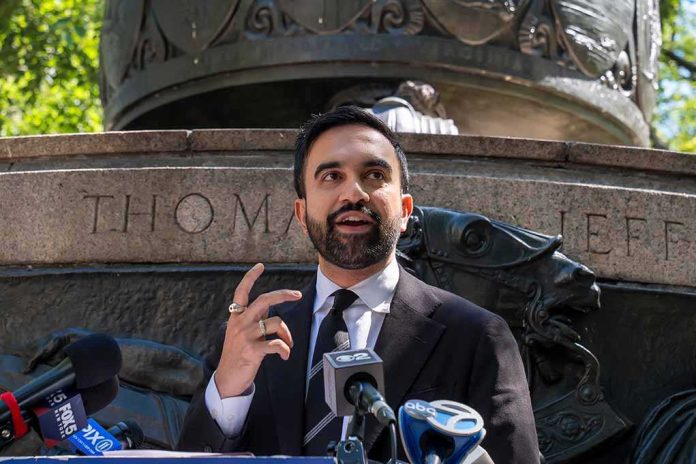
New York City leaders agreed to end horse-drawn carriages by 2028 after a teen tourist died on a runaway ride and a city report tallied decades of crashes and horse deaths.
At a Glance
- The deal phases out the industry and orders a worker-and-horse transition plan by 2027.
- A fatal Central Park crash and a city report on 96 incidents and 40 horse deaths drove the push.
- Unions and drivers say a ban kills a historic, regulated livelihood and lacks real payouts.
- Post-ban penalties include steep fines and possible jail for illegal operation.
What the deal actually does and when it bites
Mayor Zohran Mamdani and City Council Speaker Julie Menin backed a plan to end horse-drawn carriage rides by June 2028. The bill directs agencies to deliver a full transition plan by April 1, 2027. That plan must cover job referrals, training, and counseling for workers. It must also protect horses from slaughter and place them in retirement or sanctuaries. The measure trades speed for certainty. It keeps rides running for now while building the off-ramp and enforcement system.
Supporters frame the phaseout as risk removal, not just regulation. They point to a runaway in Central Park that killed 18-year-old tourist Romanch Mahajan after a horse bolted when the driver stepped away. They also cite a recent case where a 16-year-old horse, Deniz, died from eating Japanese yew, a toxic plant. These events, combined with crowded park paths and distracted crowds, shaped the sponsor’s case that carriages have become a public-safety liability.
The factual spine: incidents, deaths, and why they convinced City Hall
The Manhattan Borough President’s Office compiled evidence of 96 serious carriage incidents and 40 horse deaths over the years. The office also admitted there is no single, reliable public database, which makes precise trend analysis hard. Even so, the record was enough for leaders to move from tightening rules to ending the activity. The logic is simple: if enforcement cannot tame sporadic but severe risks, the city can remove the risk source.
That shift echoes a broader policy pattern. Cities often toggle between risk regulation and risk elimination. New York leaned on rules for decades, with limits on routes, hours, and weather exposure. The latest plan marks a turn. It says the mix of tourists, traffic, and thousand-pound prey animals in a dense park will always carry tail risks. Leaders decided those risks outweigh the charm and commerce of a tradition born in the 1800s.
What opponents say about jobs, history, and fair play
Carriage drivers, owners, and the Transport Workers Union argue the industry is lawful, licensed, and part of the city’s identity. They warn the ban will crush small businesses, wipe out medallion value, and threaten homes and family bills. They prefer tougher, targeted rules over a total ban. They also blast the transition plan as vague on cash, timing, and who qualifies. Their push is about due process and property rights as much as jobs.
🔴 NYC to ban horse-drawn carriages by June 2028
Mayor Zohran Mamdani and City Council Speaker Julie Menin agreed to back legislation outlawing horse-drawn carriages, with a council vote expected next week. The ban takes effect June 2028.
"The horse carriage industry is coming… pic.twitter.com/RefhdsncgY— NewsTongue (@NewsTongueX) October 14, 2026
Conservative common sense asks two things: does the risk justify ending licensed work, and does the city make victims whole when it does? The fatal crash and the incident record argue for action. But a fair deal means clear, funded worker relief, not “maybe” money later. If the city takes away a legal path to earn a living, it must set real, measurable support and protect property holders from ruin. That is the baseline for honest governance.
The stakes from here: safety certainty versus transition integrity
The phaseout promises fewer scary headlines and no more horses weaving through selfie crowds. It also creates a test: can City Hall deliver real placements and transparent payouts before the final trot? The plan should detail medallion treatment, training seats, wage floors, and sanctuary capacity, with public progress reports. Supporters won the safety case. They now must win the fairness case. If both land, New York retires a symbol without abandoning its people.
Sources:
facebook.com, abcnews.com, politico.com, nytimes.com, nbcnewyork.com, cnn.com, newsweek.com, ny1.com, pix11.com