

President Trump’s latest diplomatic meeting with Israeli Prime Minister Netanyahu at Mar-a-Lago revealed three critical developments that could reshape Middle East policy and America’s role in multiple global conflicts.
Story Highlights
- Trump and Netanyahu held their sixth face-to-face meeting this year focusing on Gaza, Lebanon, Iran, and hostage negotiations
- The meeting follows Trump’s progress with Ukraine’s Zelenskyy on ending the Russia-Ukraine war, showing expanded diplomatic efforts
- Iran’s launch of Russian-supported satellites adds urgency to discussions about Middle East security guarantees
- Trump expressed strong support for Netanyahu’s leadership while condemning recent drone attacks affecting regional stability
Coordinated Diplomatic Strategy Emerges
Trump’s back-to-back meetings with world leaders reveal a coordinated approach to resolving multiple international crises simultaneously. The Netanyahu meeting at Mar-a-Lago came directly after productive discussions with Ukrainian President Zelenskyy, where Trump reported significant progress on ending the Russia-Ukraine conflict. This strategic sequencing suggests Trump views these conflicts as interconnected challenges requiring comprehensive solutions rather than isolated diplomatic efforts.
Hostage Crisis Takes Center Stage
The hostage situation dominated conversations between Trump and Netanyahu, with both leaders acknowledging the urgent humanitarian crisis. Trump’s anger over recent drone attacks demonstrates his commitment to addressing security threats that complicate rescue operations. The discussions focused on practical steps to secure the release of hostages while ensuring Israel’s security needs remain protected. This represents a shift from previous diplomatic approaches that often separated humanitarian concerns from broader security considerations.
Netanyahu’s leadership received strong praise from Trump, who emphasized the importance of decisive action in hostage negotiations. The Israeli Prime Minister’s experience in handling complex security situations appears to influence Trump’s confidence in achieving breakthrough results. Both leaders understand that successful hostage resolution could create momentum for broader regional stability initiatives.
Iran’s Escalating Threat Prompts Strategic Response
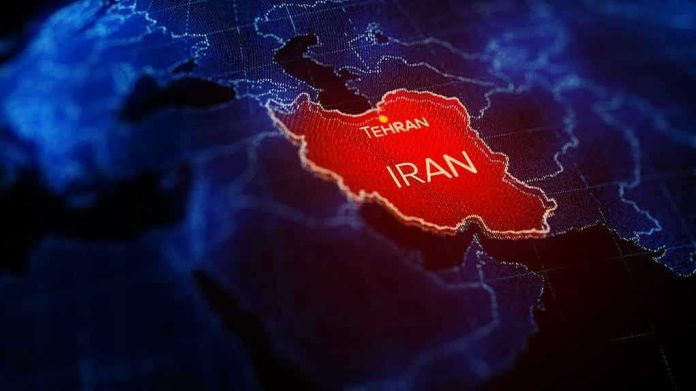
Iran’s recent launch of Russian-supported satellites emerged as a critical concern during the Mar-a-Lago discussions. This technological advancement represents a significant escalation in Iran’s capabilities and its growing alliance with Russia. Trump and Netanyahu addressed how this development affects regional security calculations and the need for enhanced defensive measures. The satellite launch demonstrates Iran’s defiance of international pressure and its commitment to expanding influence through Russian partnerships.
The timing of Iran’s satellite deployment coinciding with these high-level diplomatic meetings appears deliberate. Both leaders recognized this as a direct challenge to their efforts at regional stabilization. Their response strategy involves coordinating intelligence sharing and defensive capabilities to counter Iran’s enhanced surveillance and potential offensive capabilities. This technological threat adds complexity to already challenging negotiations regarding Gaza and Lebanon.
Broader Implications for American Foreign Policy
Trump’s simultaneous engagement with Israeli and Ukrainian leaders signals a comprehensive foreign policy approach linking European and Middle Eastern theaters. The success reported in Ukraine negotiations provides leverage for Middle East discussions, as both conflicts involve Russian interests and Iranian involvement. This interconnected strategy recognizes that resolving one conflict creates opportunities for progress in others, particularly when dealing with shared adversaries like Iran and Russia.
The Mar-a-Lago meetings demonstrate Trump’s preference for personal diplomacy in high-stakes negotiations. His direct engagement with Netanyahu, following productive Zelenskyy discussions, shows confidence in face-to-face relationship building as a catalyst for breakthrough agreements. The sixth meeting between Trump and Netanyahu this year alone indicates the intensity and frequency required for meaningful progress on complex regional issues involving multiple stakeholders and competing interests.