
President Trump is transforming Washington’s most sacred spaces into monuments to his personal aesthetic vision, and the removal of all institutional oversight means nothing stands in his way.
Quick Take
- Trump announced plans to renovate the 100-year-old Reflecting Pool on the National Mall, calling it “Biden filth and incompetence”
- The initiative follows a $200 million White House ballroom project and plans for an “Arc de Trump” monument modeled after Paris’s Arc de Triomphe
- Trump fired all six members of the Commission on Fine Arts in October 2025, eliminating the primary institutional check on federal architectural decisions
- The East Wing demolition proceeded without congressional approval, establishing precedent for bypassing traditional oversight mechanisms
The Architectural Ambition Takes Shape
President Trump announced his intention to “fix” the Reflecting Pool, characterizing Washington’s most iconic National Mall landmark as requiring renovation due to “Biden filth and incompetence.” This announcement represents the latest escalation in a rapidly accelerating series of federal space transformations that began with interior White House redesigns and have now expanded to target century-old national monuments. The Reflecting Pool, constructed approximately 100 years ago, serves as a symbolic centerpiece of the nation’s capital and has historically been maintained as a shared public space rather than a vehicle for partisan aesthetics.
Dismantling the Gatekeepers
Trump’s architectural ambitions face no institutional resistance. In late October 2025, he dissolved the Commission on Fine Arts entirely, firing all six members who traditionally advised the federal government on architectural and design decisions affecting Washington. The administration indicated replacements would align with “America First” policies, yet as of late November, these positions remained unfilled. This strategic removal of expert oversight created a decision-making vacuum filled exclusively by executive preference. The Commission on Fine Arts, established to maintain standards for federal architectural projects, represented the primary institutional mechanism for evaluating whether major alterations to national spaces served the public interest or personal ambition.
From White House to National Monument
The trajectory of Trump’s renovation initiatives demonstrates deliberately expanding scope. Initial projects focused on interior White House modifications: gold accents in the Oval Office, Cabinet Room changes, and Rose Garden paving. By October 2025, structural demolition commenced when Trump razed the White House East Wing without congressional approval during a government shutdown, despite earlier assurances the ballroom would not affect existing structures. The $200 million ballroom addition now under construction represents a 90,000-square-foot facility designed to accommodate 650 seated guests. Trump’s handpicked architect reportedly expressed concerns that the ballroom would dwarf the White House itself, suggesting professional reservations about the project’s scale and integration with existing architecture.
The expansion beyond White House grounds to the National Mall signals a fundamental shift in scope. The Reflecting Pool renovation announcement, combined with the “Arc de Trump” monument modeled after Paris’s Arc de Triomphe, indicates Trump’s architectural vision now encompasses the nation’s most historically significant public spaces. At a November 27 White House ballroom fundraising dinner, Trump revealed that remaining funds from the ballroom project would finance the arch monument, with Trump selecting the largest of three proposed arch designs.
Politicizing Infrastructure Maintenance
Trump’s characterization of the Reflecting Pool as “Biden filth” represents a fundamental shift in how federal spaces are discussed and managed. Rather than treating national landmarks as shared cultural resources requiring maintenance and preservation, Trump frames them through partisan lenses as symbols of previous administrations requiring erasure or transformation. This rhetorical move transforms infrastructure maintenance from a technical matter into a political statement. The specific deficiencies justifying the Reflecting Pool renovation remain undetailed in any official communication, suggesting the project’s motivation centers on aesthetic preference and symbolic messaging rather than documented infrastructure failures.
Precedent Without Precedent
The October 2025 East Wing demolition without congressional approval established a critical precedent. Historically, major structural alterations to federal buildings required legislative authorization and appropriations approval. Trump’s demolition during a government shutdown, proceeding without congressional vote or explicit appropriation, demonstrated that executive determination alone suffices for major federal property modifications. This action effectively bypassed the legislative branch’s constitutional authority over federal spending and property management. The absence of meaningful congressional response suggests either tacit acquiescence or institutional inability to enforce traditional oversight mechanisms.
Trump teases major National Mall makeover to address 'Biden filth and incompetence' https://t.co/tIwhOSut9E
— BARB59 / CANADA 🇺🇦 #FvckTrump #DemCast (@ABrosnikoff) November 26, 2025
These actions consolidate executive power over federal architectural decisions while establishing expectations that future administrations can rapidly transform national spaces according to personal aesthetic preferences. The removal of the Commission on Fine Arts removes expert advisory input. The proceeding without congressional approval removes legislative checks. The characterization of maintenance as partisan messaging removes pretense of neutral stewardship.
The Broader Implications
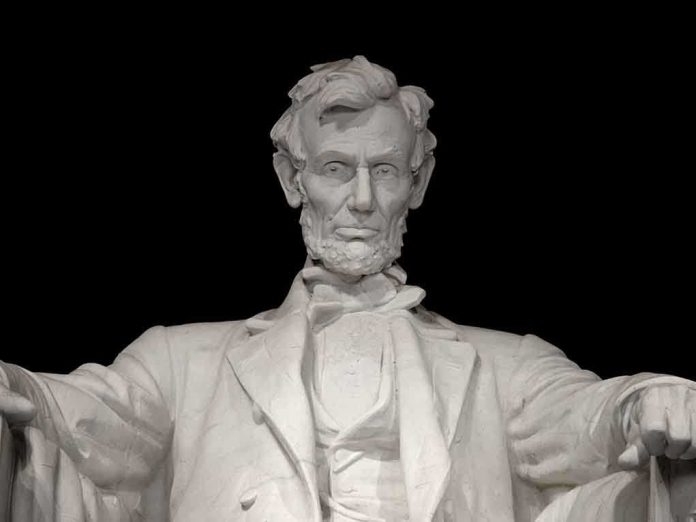
Trump’s National Mall makeover initiative raises fundamental questions about the purpose of federal spaces and who determines their character. National landmarks theoretically belong to all Americans and should reflect shared values rather than serving as monuments to individual leaders’ aesthetic preferences. The Reflecting Pool, Lincoln Memorial, and other National Mall features function as spaces for public gathering, contemplation, and connection to national history. Transforming them according to one leader’s vision—particularly when that vision emphasizes gold accents, classical grandeur, and personal branding—fundamentally alters their public character and symbolic meaning.
The long-term implications extend beyond these specific projects. If executive-branch architectural ambition proceeds without institutional oversight, future administrations face diminished constraints on transforming federal spaces. The removal of the Commission on Fine Arts and the bypass of congressional approval establish precedents that subsequent presidents can invoke. The politicization of infrastructure maintenance—framing routine upkeep as ideological statements about previous administrations—transforms federal property management from technical stewardship into partisan messaging.
Sources:
New Republic: Donald Trump Threatens Renovation of Reflecting Pool
Fox News: Trump Reveals Arc de Triomphe-Style Monument for America’s 250th Anniversary
AOL News: Trump Unveils DC Renovation Project to Remove Biden Filth