
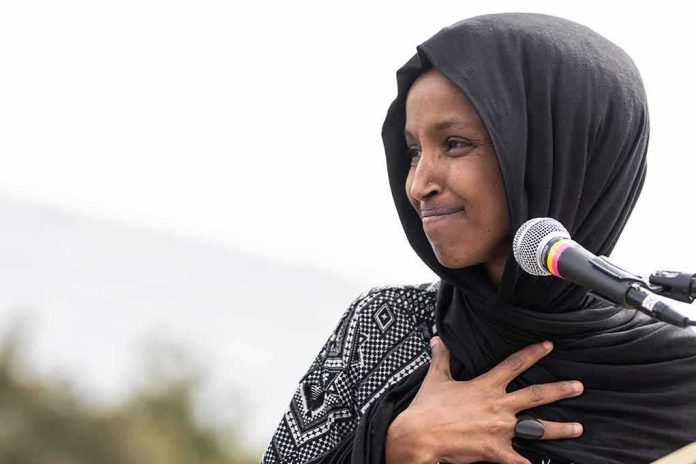
Rep. Ilhan Omar told streamer Hasan Piker that conservative media fixates on them because “we just look really good on their screens.”
Story Snapshot
- Omar made the remark to Piker in a recorded pre-event chat tied to a Minneapolis appearance.
- Piker said media highlight “everything” Omar does; she blamed their looks and mocked “Botox faces”.
- The event drew criticism and fresh coverage for both figures and their rhetoric.
- Research shows appearance can shape coverage, especially for women, but motives vary.
What Omar Said And Where She Said It
Rep. Ilhan Omar and streamer Hasan Piker spoke on a livestream before an on-stage discussion in Minneapolis. Piker asked why the media highlight their every move. Omar replied, “We just look really good on their screens,” then joked about “Botox faces” and viewers wanting “someone nice and natural”. The exchange was recorded the same day as their public appearance, which linked the comments to a real event with date, place, and identified speakers.
The setup mattered. This was not a stray hallway quip. It was a pre-event conversation that acknowledged a pattern of attention from conservative outlets, according to reporting that quoted their words and set the scene. Piker framed the question as ongoing and repetitive. Omar answered with an image-first theory. Both understood they would be watched that night, which made their take part of the show itself.
Why The Exchange Landed With A Thud And A Click
Coverage spiked for reasons far beyond looks. Omar holds a House seat. Piker draws a national audience online. Their joint event came with active political controversy and sharp words on stage. Reports highlighted Piker calling Republicans “terrorists” and Omar’s past broadsides at the party, which gave outlets conflict-rich content to feature. Critics also seized on Omar’s decision to appear with Piker, ensuring more headlines and more social clips.
Claims about why editors pick stories rarely rest on one factor. Conservative-leaning sites framed the “good looks” line as self-flattery and contrasted it with the night’s political heat. That framing kept attention on conflict, not aesthetics. It also let critics argue that controversy, not camera appeal, drives clicks. The event’s access disputes and partisan tones added more fuel for coverage choices across outlets.
What Research Says About Looks And News
Academic work supports a link between appearance and media attention. Studies find that better-looking politicians often receive more television coverage, and that appearance cues can weigh more for women in visibility and evaluation, even when other factors are held equal. Meta-analyses report gendered patterns in coverage that emphasize traits and looks for women more than for men, with harmful effects on how voters rate women candidates.
Rep. Ilhan Omar jokes with Hasan Piker about the attention they both receive from conservative media, suggesting they wouldn't appear on TV nearly as often if people weren't so tired of looking at the “Botox faces” of Republicans, whom she refers to as “fascists.”
The… pic.twitter.com/U3EITr9Yjb
— Stu Smith (@thestustustudio) October 26, 2026
Those findings add context to Omar’s theory but do not prove the motive of any single newsroom. Editors chase conflict, novelty, and audience interest. Omar and Piker deliver all three. Conservative audiences respond to stories about high-profile progressives and online personalities. That reality sits alongside the research: appearance can boost visibility, yet controversy often sets the hook. Common sense says this story had both—good lighting and sharp elbows.
How This Plays With Conservative Values
Personal responsibility and accountability still matter most. Voters who prize those values focus on records, policies, and rhetoric. When a member of Congress appears with a lightning-rod figure, the content of that night’s words will drive judgments. The line about “looking good” may be cheeky stagecraft, but the larger question is whether their ideas help people or only spike outrage. Coverage that centers debate over style can miss the policy stakes that affect families and safety.
The practical takeaway is simple. Expect more coverage whenever high-profile figures mix celebrity, conflict, and punchy sound bites. Expect conservative media to spotlight sharp attacks and controversial partners. Expect part of the audience to enjoy the spectacle and part to demand substance. Omar’s joke tapped a real media dynamic about looks. The headlines that followed showed the deeper engine—political heat, not cheekbones—still runs the newsroom.
Sources:
townhall.com, powerlineblog.com, news.meaww.com, startribune.com, nypost.com, cbsnews.com, qoshe.com, academic.oup.com