
A strike by nearly 4,000 meatpacking workers at the world’s largest beef plant threatens to send already sky-high prices even higher, hitting American families at the dinner table.
Story Snapshot
- 3,800 UFCW workers walked out March 16, 2026, at JBS USA’s Greeley, Colorado plant after 99% strike vote.
- First major meatpacking strike in decades amid record-low U.S. cattle herd of 86.2 million head.
- Workers demand end to PPE costs, discrimination against immigrants, and low wage offers under 2% annually.
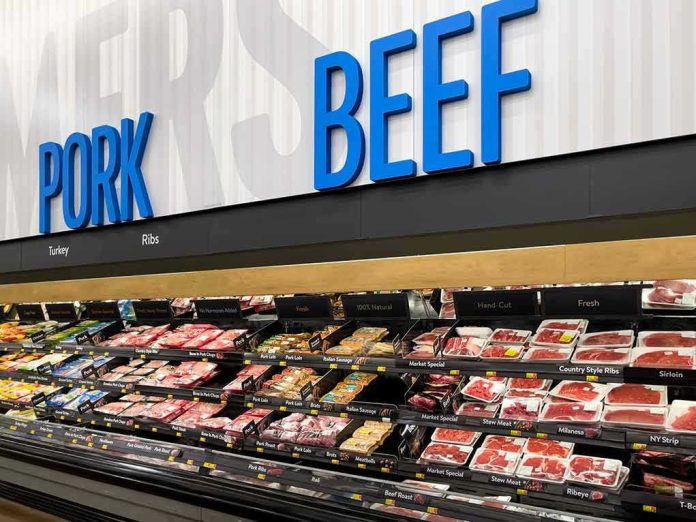
- Plant halt risks worsening 15% ground beef price surge, pressuring Trump administration on inflation.
- JBS, run by top Trump donor via $5M contribution, claims full legal compliance after months of talks.
Strike Launch Shuts Down Greeley Plant
UFCW Local 7 workers launched the unfair labor practice strike at 6-8 AM on March 16, 2026. Picket lines formed outside JBS USA’s massive Greeley facility, one of the nation’s largest beef processors. This action followed nine months of stalled contract talks and a 99% authorization vote. Workers refuse to return until JBS addresses grievances including forced PPE payments and alleged immigrant discrimination. The plant processes thousands of cattle daily, now idled completely.
Grievances Fuel Unprecedented Walkout
Workers pay out-of-pocket for personal protective equipment, a burden JBS shifted despite industry standards. Negotiations broke down over low-ball offers averaging less than 2% annual wage hikes. Union President Kim Cordova accused JBS of bad-faith bargaining and discrimination targeting immigrant meatpackers, who dominate the workforce. JBS counters with claims of eight months of good-faith efforts and full legal compliance. This ULP strike, indefinite until resolved, marks the first full shutdown at this plant ever.
Perfect Storm Hits Beef Supply Chain
U.S. cattle inventories hit a 75-year low at 86.2 million head on January 1, 2026, down 1% year-over-year. Ground beef prices surged 15% in 2025 due to these shortages. Greeley halt now threatens further supply disruptions from the world’s top meat producer. Ranchers face backed-up orders while consumers brace for price spikes. This timing amplifies economic strain amid broader 2026 labor actions like those at Kaiser and DHL.
Stakeholders Clash Over Leverage
UFCW Local 7 holds strong leverage through plant shutdown power during supply crunches. JBS wields financial might but faces political heat from its $5 million donation to Trump-Vance via subsidiary Pilgrim’s Pride. Workers seek higher wages, free PPE, and discrimination remedies for job security. Greeley’s local economy loses from 3,800 jobs idled. Trump administration navigates inflation optics strained by cost-of-living polls. Common sense favors swift resolution to protect families from higher grocery bills over prolonged donor ties.
A Massive Meatpacking Strike Arrives at the Worst Possible Time for Beef Prices https://t.co/UynuuqNpWn
— Carol RN *Miss Rush & the Gipper* 👩⚕️🇺🇸 🇮🇱🦈 (@pasqueflower19) March 17, 2026
Impacts Ripple Through Economy and Politics
Short-term beef shortages loom, driving prices higher and hitting working families hardest. Long-term, the strike could spark union drives at other JBS and Tyson plants, raising industry labor costs. Greeley community suffers wage losses and ripple effects. Politically, it embarrasses a major donor amid Trump’s inflation fights. Socially, it spotlights immigrant worker conditions in a vital sector. Broader effects may fuel the 2026 strike wave, testing supply chains further.
Sources:
Strike Tracker (real-time labor data)
Nearly 4,000 US meatpacking workers to strike at plant run by top Trump donor
Thousands Set To Strike At One Of Nation’s Largest Meatpacking Plants
3800 workers strike at one of the largest meatpacking plants in the US
3,800 workers strike at one of largest meatpacking plants in US